

Warships Documentary Series – “NAVAL LEGENDS”
Documentary series on warships that changed the course of history in the 20th century:
Episodes: 4 (30 – 45 min each )
The Author

JOHN CARR was born in England in 1948. He worked for years as a journalist and correspondent for the biggest newspapers (The Times, Wall Street Journal Europe, etc.) in the Mediterranean region and especially in Greece. He is a lover of Greek history and lives in Greece. He wrote the books: THE DEFENSE AND THE FALL OF GREECE, 1940-1941, THORIKTO AVEROF – LIGHTNING IN THE AEGEAN, THE WARRIOR EMPERORS OF BYZANTIUM, THE COMNINE DYNASTY and MUSSOLINI’S VICTORY AT HIGH 731.
EPISODES
1ST
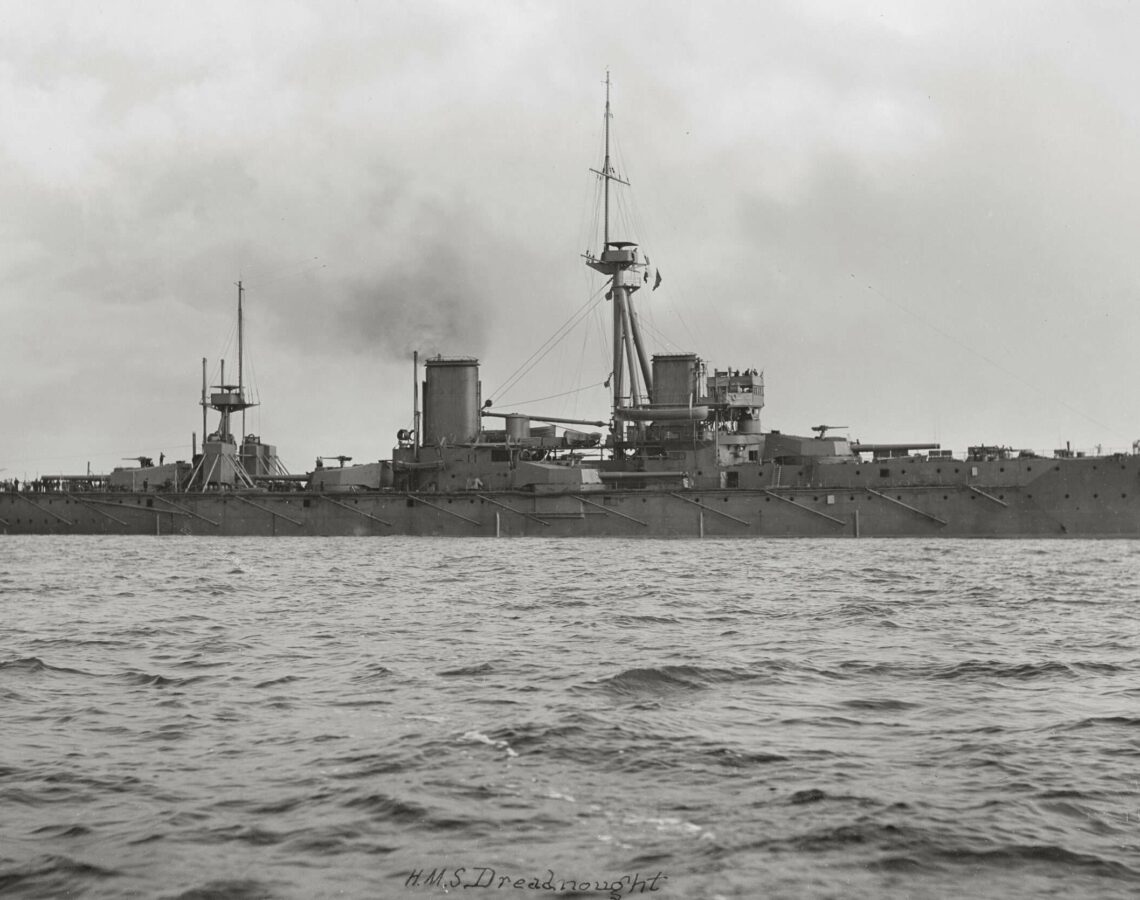
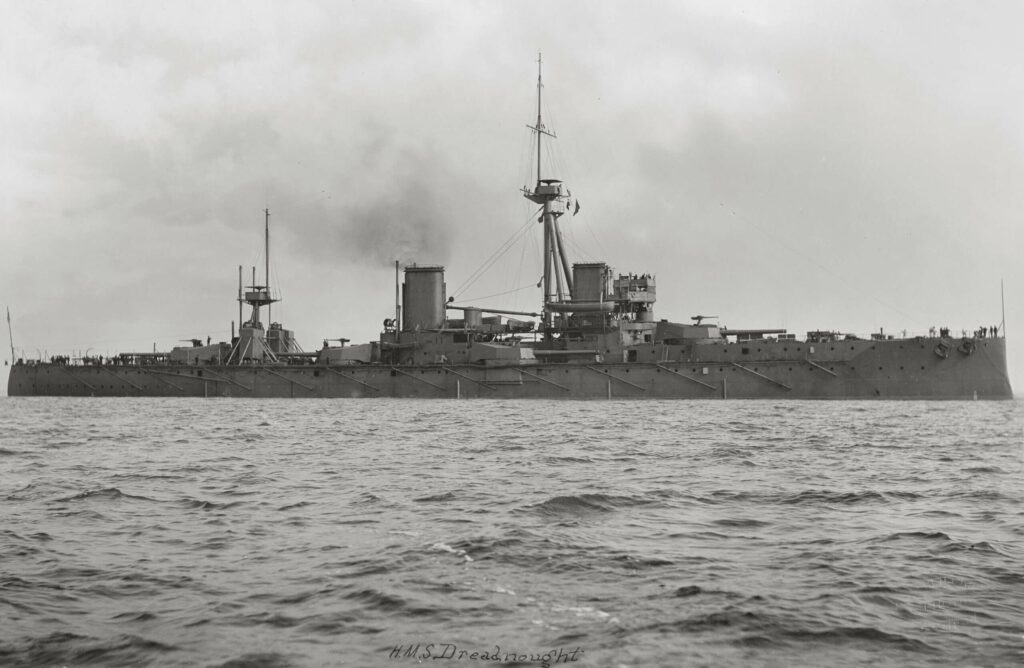
BRITAIN: HMS Dreadnought. This ship and others in its class enabled Britain’s Royal Navy to control the sea lanes vital for the country’s food and raw materials imports, and introduced oil power to supersede coal-fired vessels.
2ND
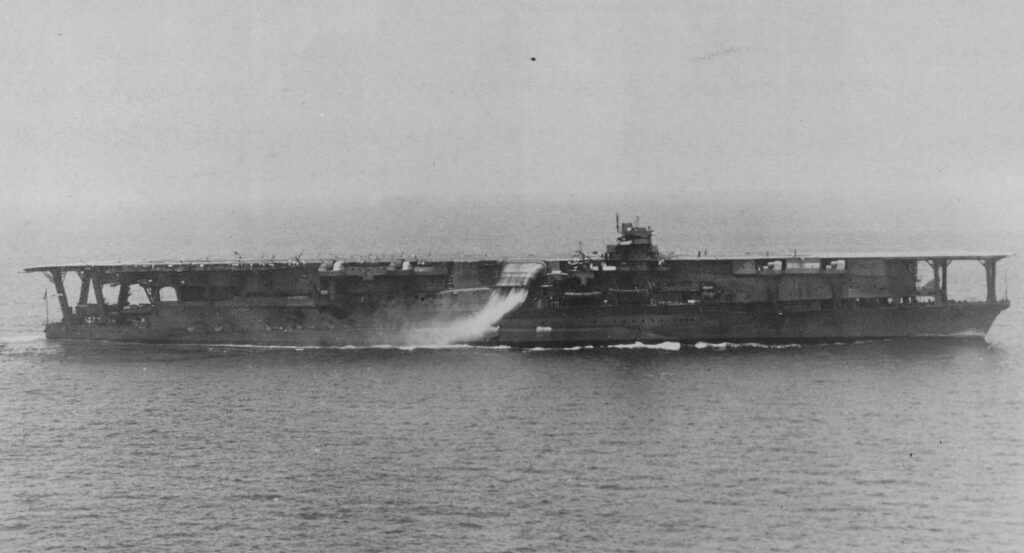
JAPAN: Kaga. This was the first Japanese aircraft carrier to shape Japan’s initial dominance in the Pacific area in World War Two. Originally built as a battleship in 1921, it bypassed the restrictions of the Washington Naval Treaty by being converted into an aircraft carrier, commissioned in 1928. The Kaga and other carriers enabled the Imperial Japanese Navy to carry out the radical new doctrine of mass air strikes of the kind that attacked Pearl Harbor.
3ND
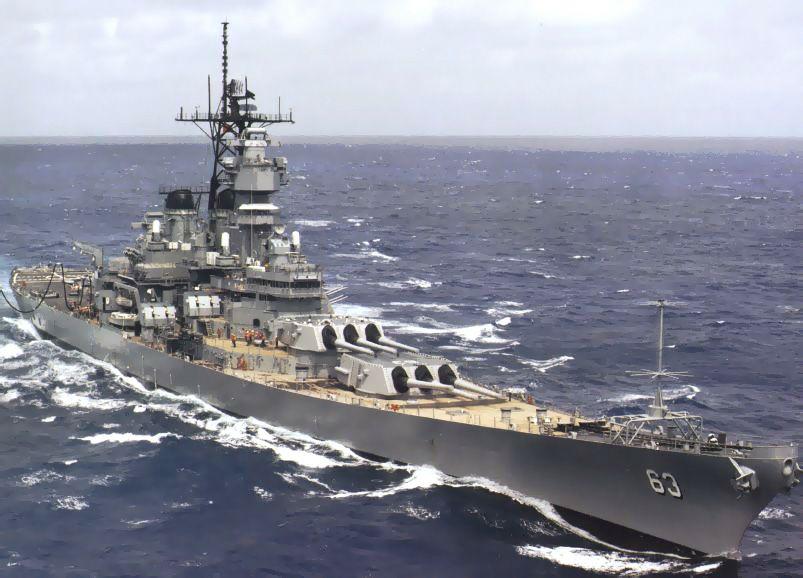
U.S.A.: USS Missouri. This Iowa-class battleship played an important part in America’s naval battles during World War Two, but it’s primarily known as the ship on which Japan formally surrendered to the Allies in 1945. It has been preserved as a floating museum at Pearl Harbor.
4TH – RHNS Averof: Thunder in the Aegean
Full Treatment and initial working script
The History
The Hellenic Navy’s most famous warship, the Georgios Averof, this year completes its 111th year of existence. Though it is now anchored as a floating naval museum, its history has been an adventure in itself. Thanks to the courage and ability of its crews, it has passed unscathed through wars and revolts. With no exaggeration, the Averof can be considered to have won the First Balkan War (1912-13) almost unaided.
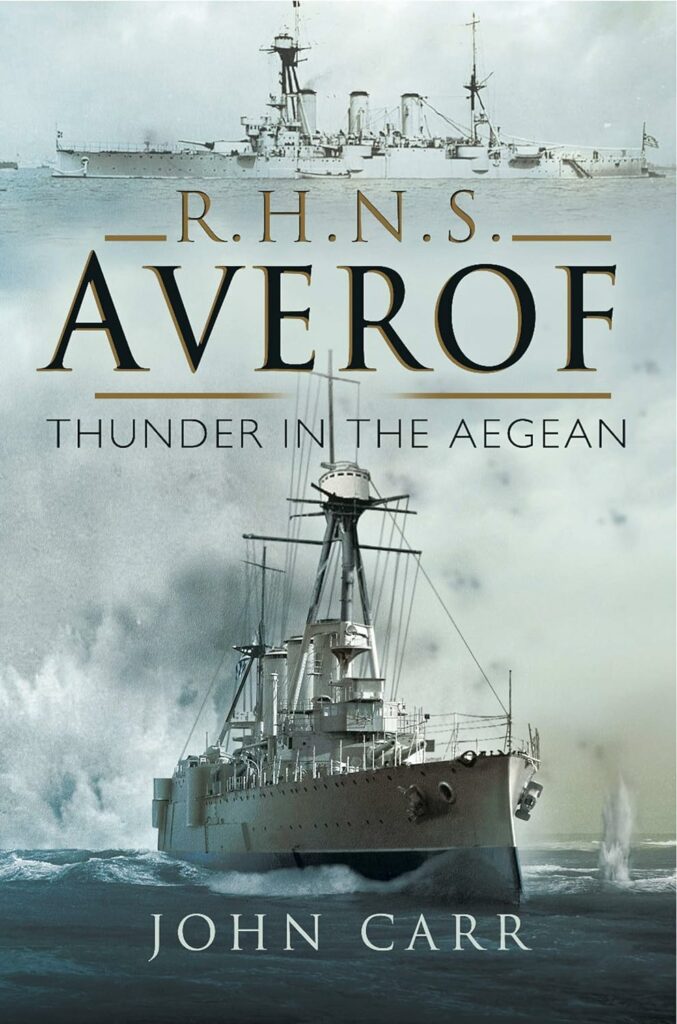
Outside Greece the astounding story of the Averof has barely been told. Most recently, longtime news correspondent John Carr (formerly of The Times and The Wall Street Journal Europe) wrote RHNS Averof: Thunder in the Aegean, published in 2014 by Pen & Sword, UK, translated into Greek by Psichogios publishers (Θωρηκτο Αβερωφ) in 2015. Both books received good reviews on Amazon and other sites.
Documentary
Now Mr Carr has proposed that the story of the Averof be made into a 30- 45 minute documentary, in English, to be aimed at a global audience.
He also would write the shooting script and act as presenter for some of the exterior shoots, such as those on board the ship.
The story of the Averof
The story of the Averof is basically a story of Greek seamanship, as it was the superior tactics of Admiral Koundouriotis that won the famed Battle of Cape Helles in December 1912 (a key part of the documentary), which decisively liberated the Eastern Aegean islands and won the First Balkan War for Greece. The message for our time is obvious: only through a solid tradition of seamanship can today’s Hellenic Navy maintain Greek sovereignty in the Aegean area.
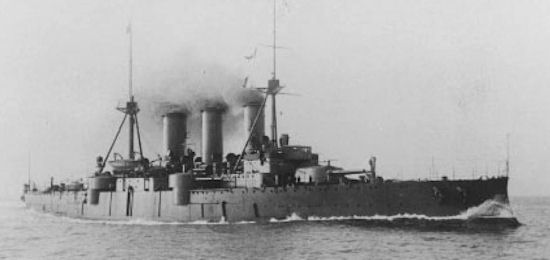
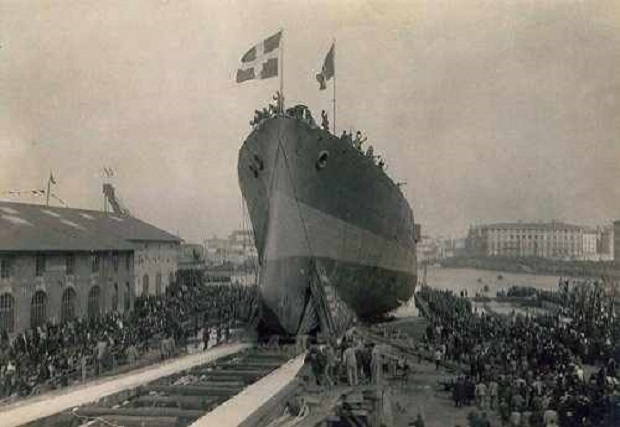
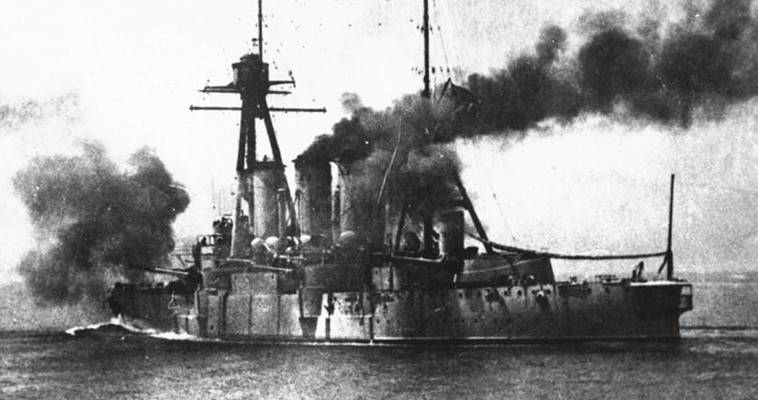
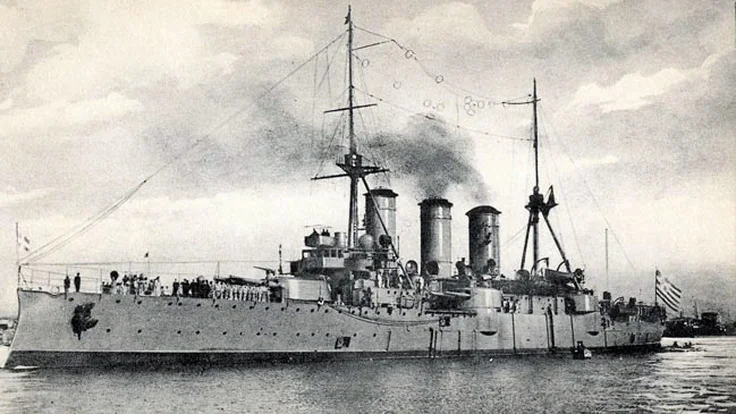
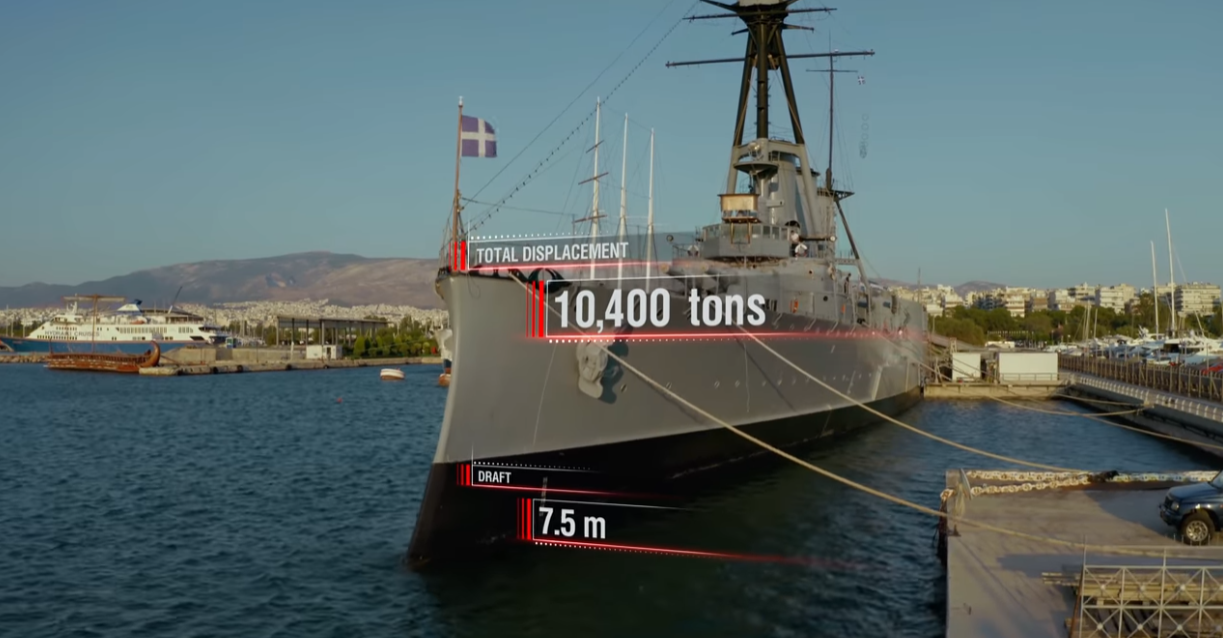
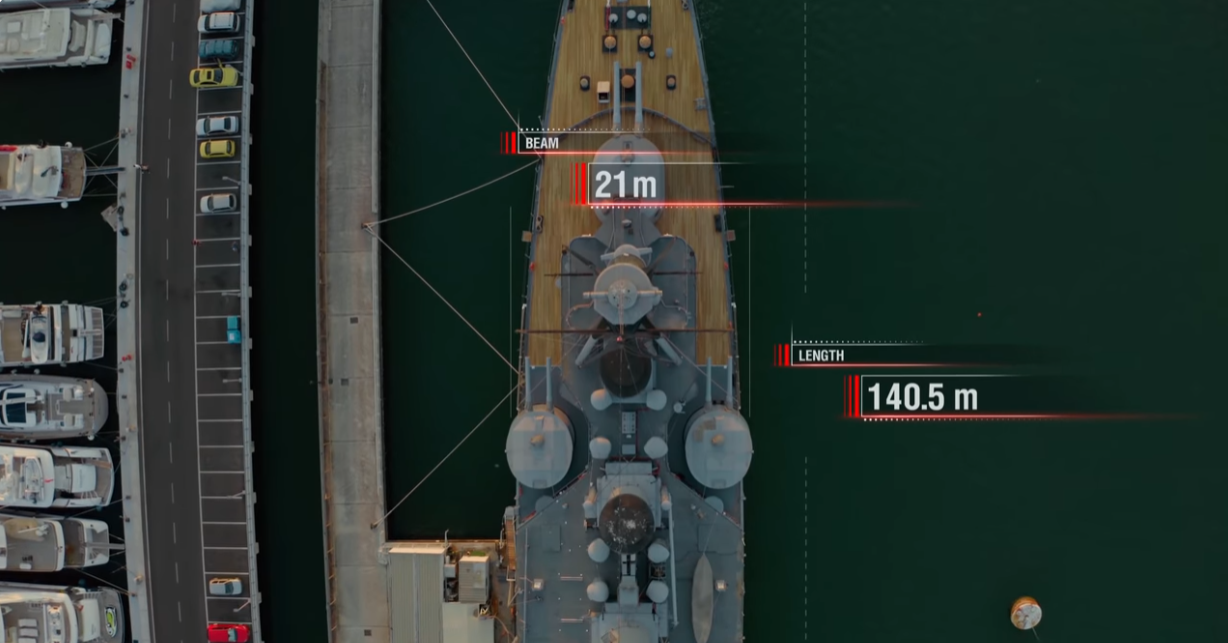
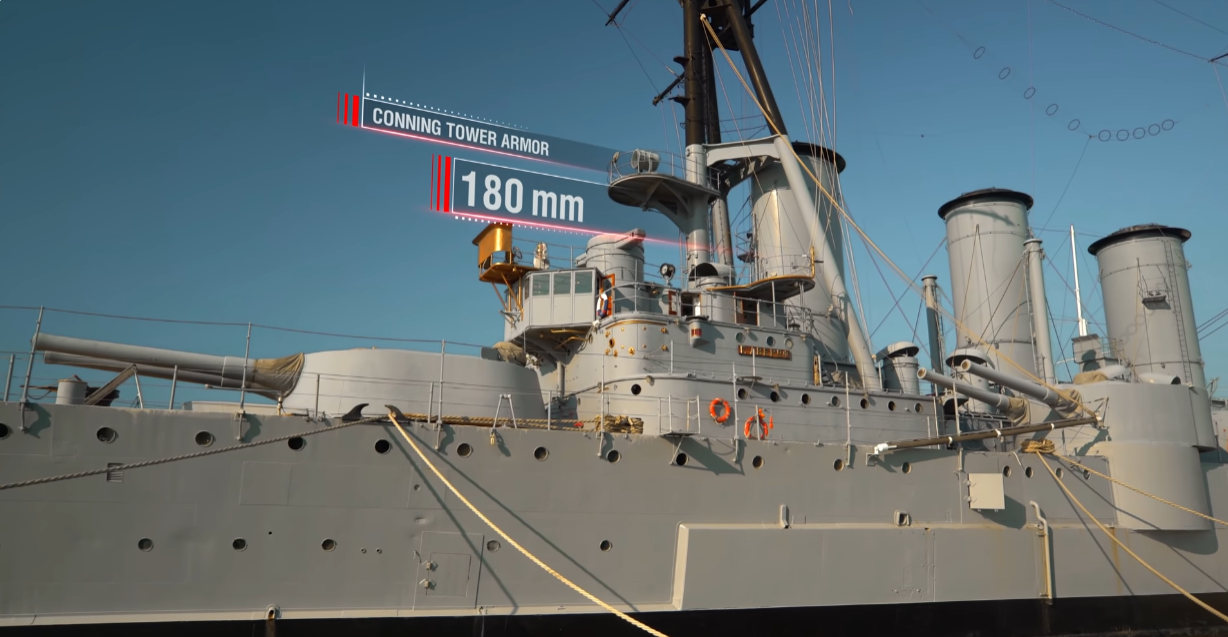
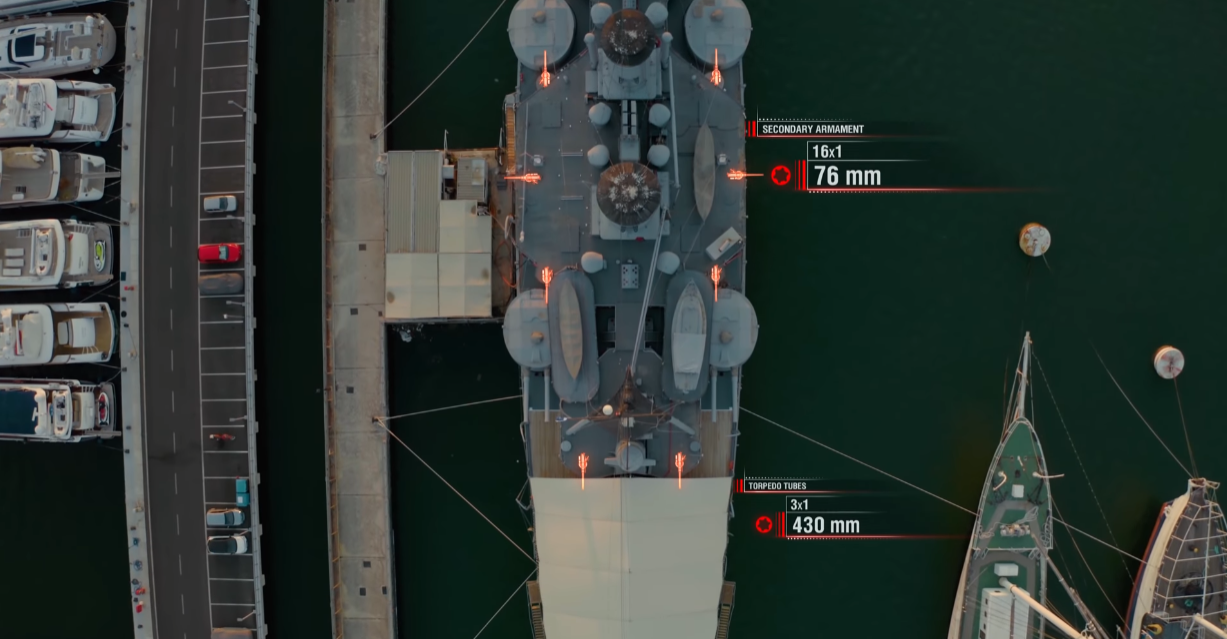
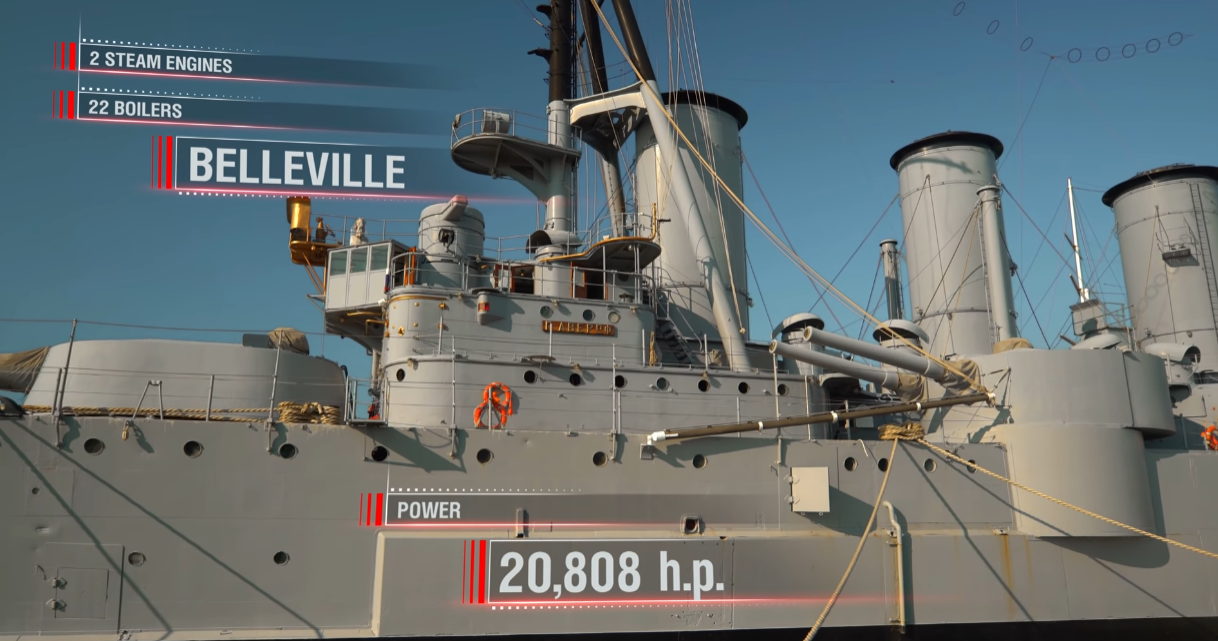
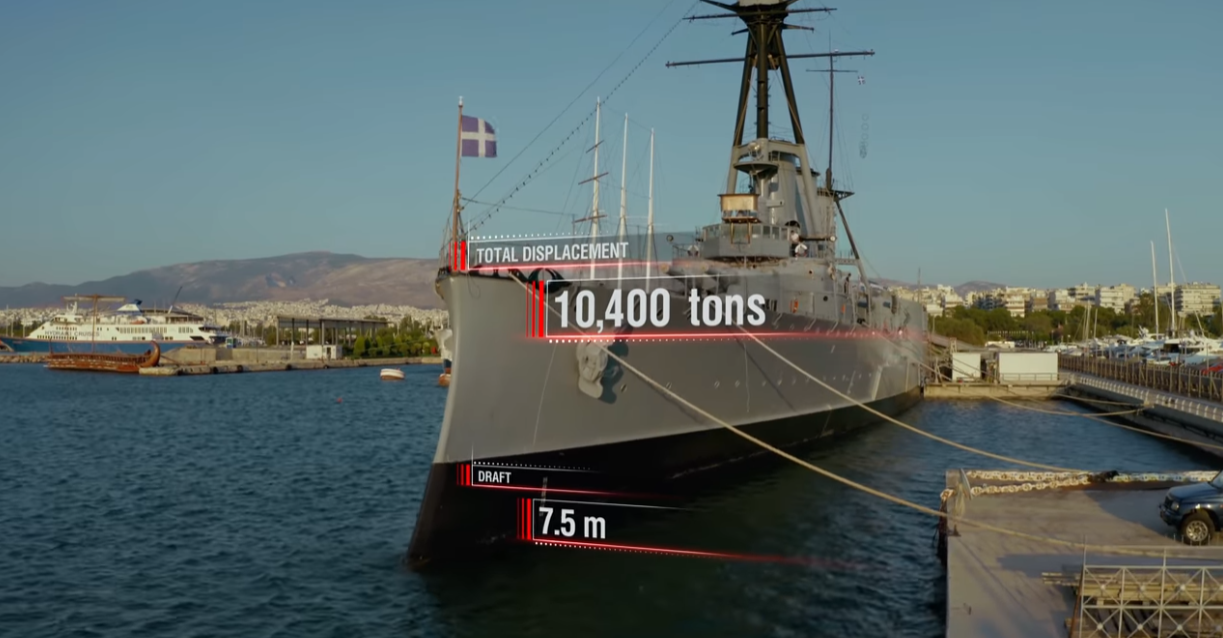
Built at Livorno in 1910, the 10,000-ton RHNS Averof was the flagship—and largest warship—of the Royal Hellenic Navy until 1951. More than a century after its construction, she is still afloat, one of just three armored cruisers still in existence in the world. Originally intended for the Italian navy, the ship was bought by Greece and soon saw her first action in the Balkan Wars. In the Battle of Cape Helles, Averof inflicted heavy casualties on the Turkish fleet, following it up with a victory in the Battle of Lemnos.
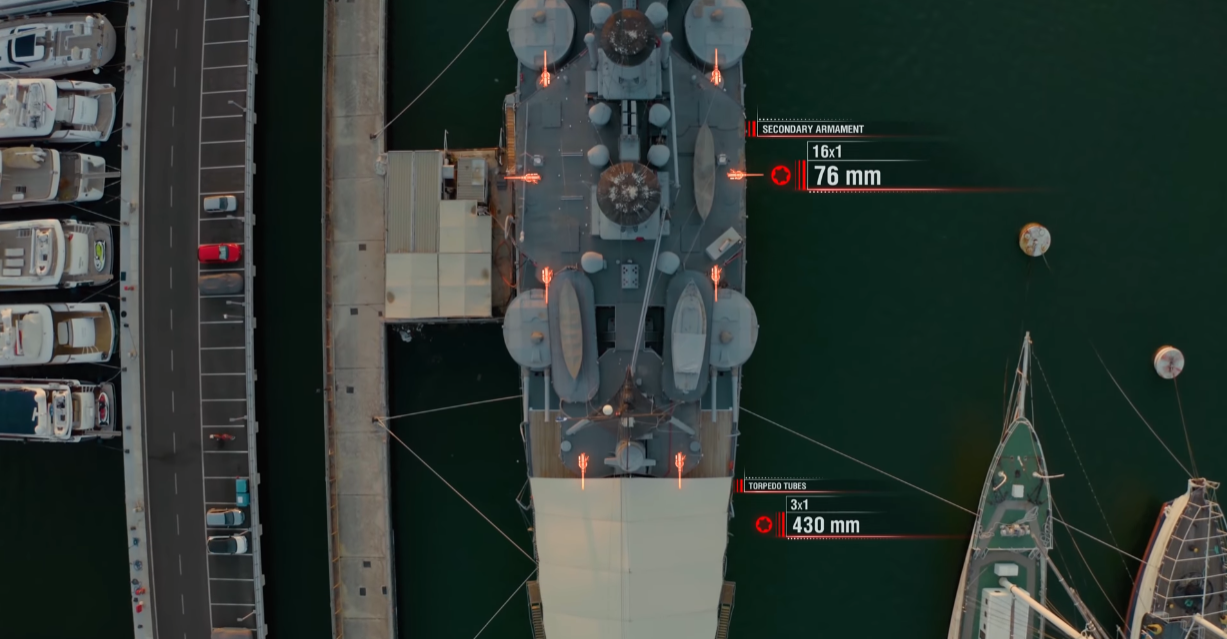
In the 1920s the ship was refitted in France with modern armament replacing her obsolete torpedo tubes with more anti-aircraft guns. When the Germans overran Greece in World War Two, Averof escaped to Alexandria, dodging attacks by the Luftwaffe, despite Admiralty orders that she be scuttled. In 1941, she escorted a convoy to India, being the first Greek vessel in Indian waters since the time of Alexander the Great, and continued escort duties throughout the war.
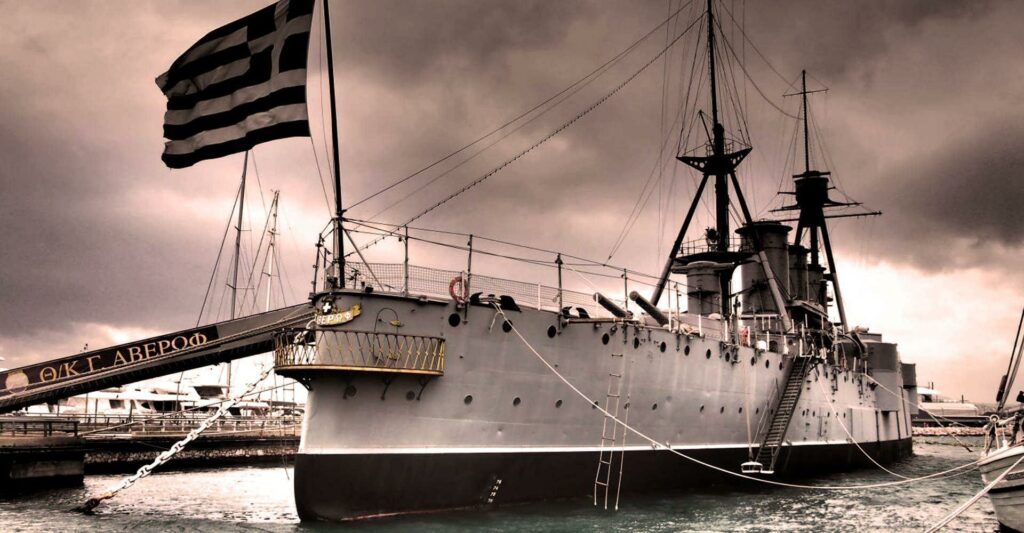
In 1945, Averof was laid up on the island of Poros and neglected until 1984 when the Greek Admiralty decided to resurrect the ship. After years of slow refitting and preservation, the ship is now moored at Phaleron on the coast of Athens as a floating naval museum.
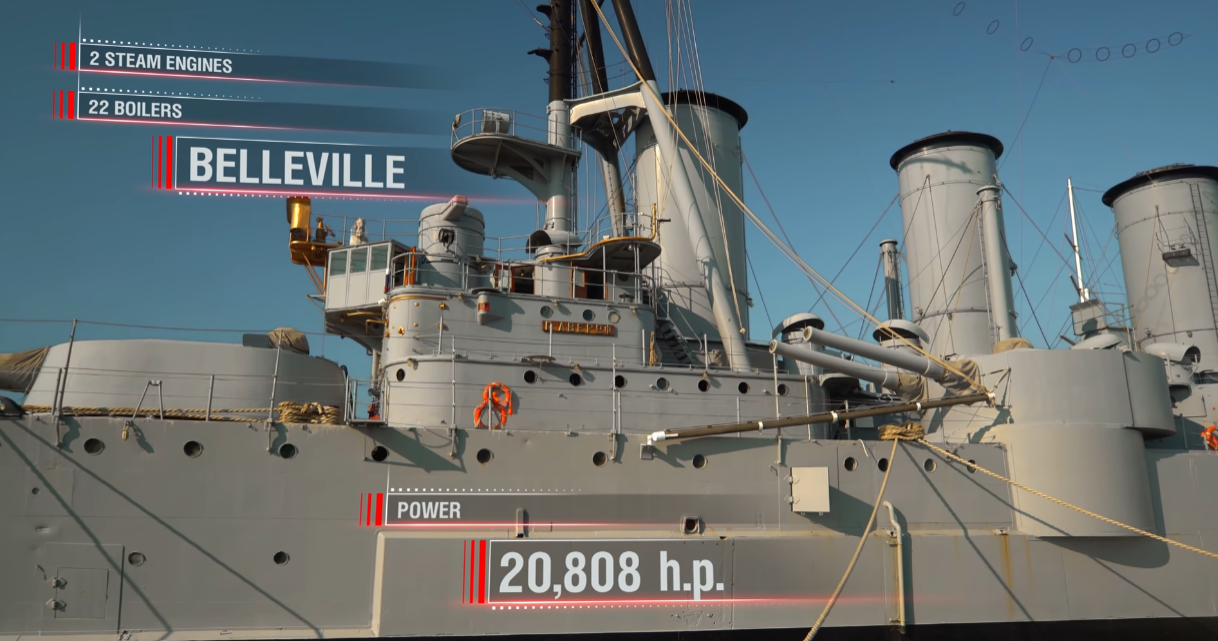
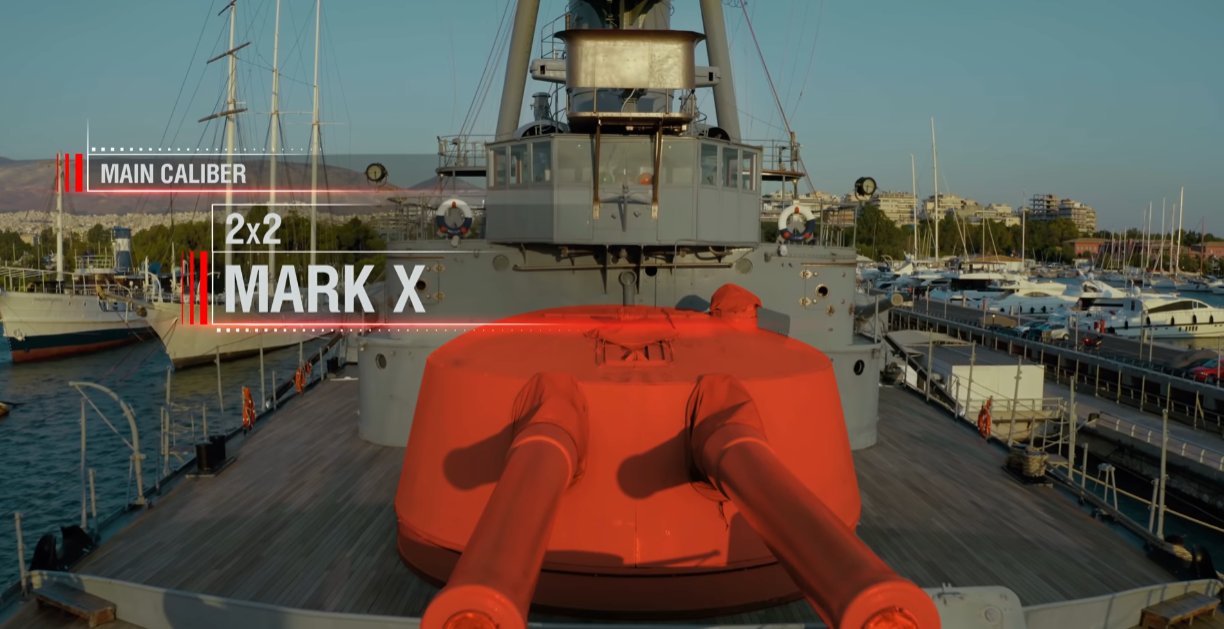
Providing full technical specifications and operational history, including details of her restoration, John Carr draws on firsthand accounts of the officers and men to relate the long and remarkable career of this fine ship.
The documentary would reveal little-known details of the Averof’s history through two Balkan and two World wars, and how it was rescued from woeful neglect to be restored to a be marvellous example of pre-World War One cruiser design which many enthusiasts come from all over the world to see. The Averof, in fact, is one of only two such vintage-1910 armoured cruisers remaining in the world.
Script
Please Download draft script from HERE