Summary
“Cities of gods” is a documentary series that delves into the lesser-known religious passions of the ancient Mediterranean world, moving beyond the familiar stories of Greek mythology. This series explores the intense often ecstatic relationships devotees forged with divine figures outside the classical pantheon – highlighting the personal, emotional, and transformative nature of ancient worship.
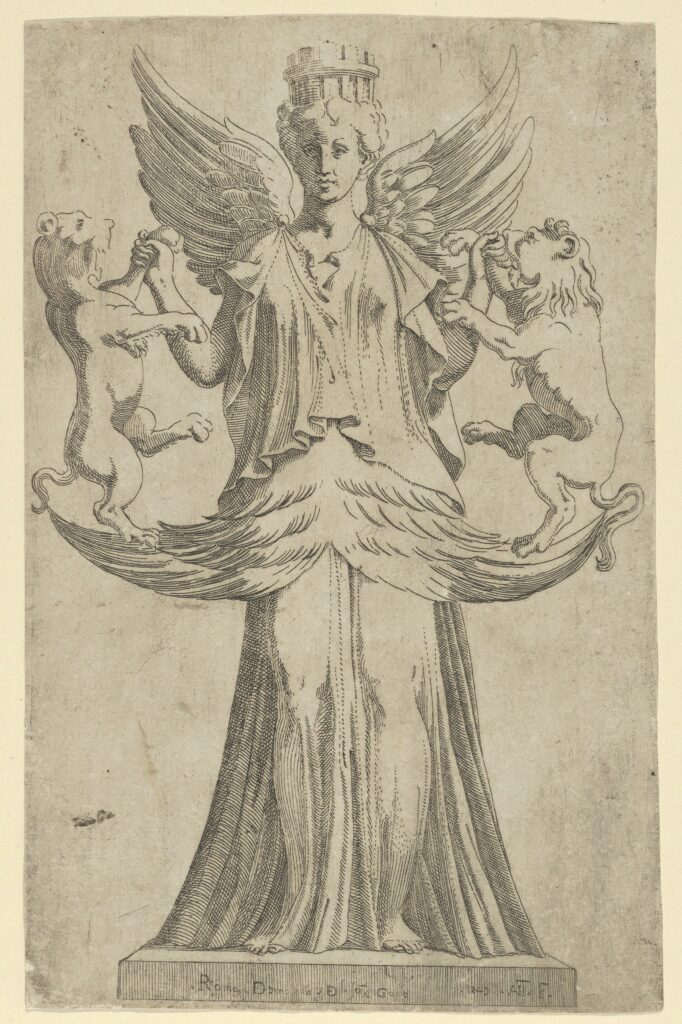
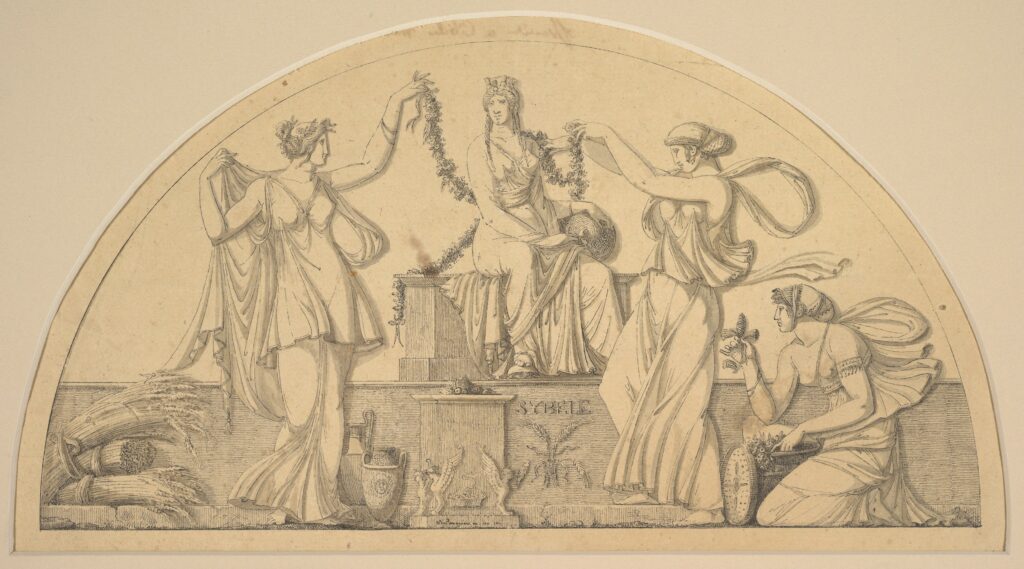
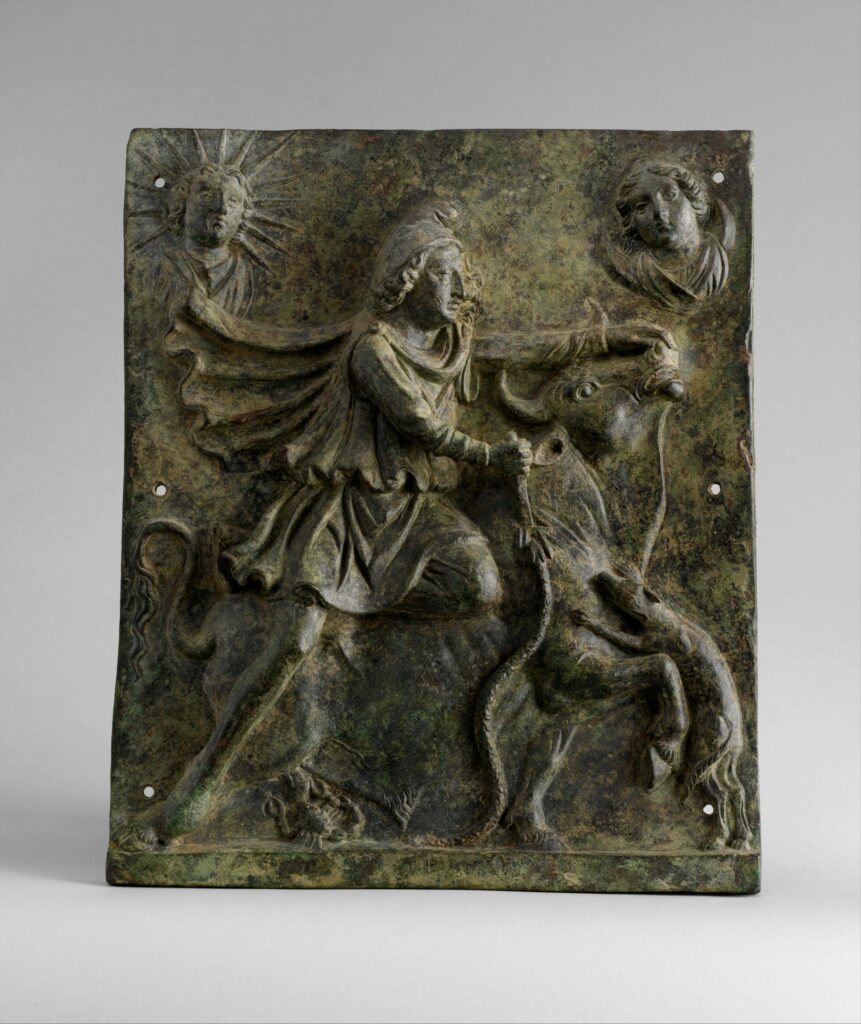
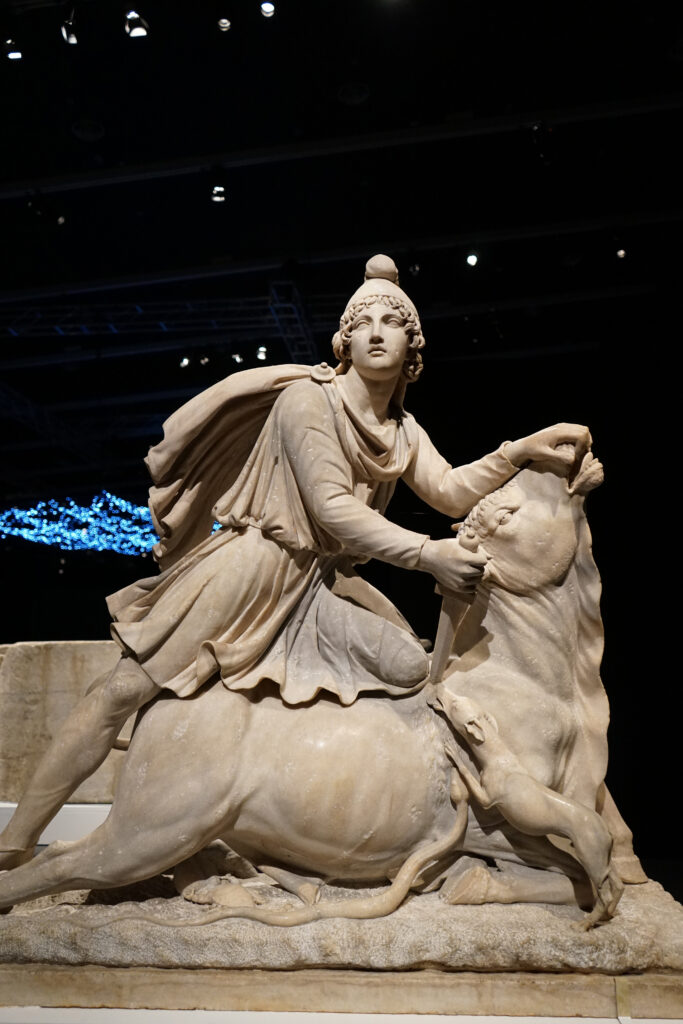
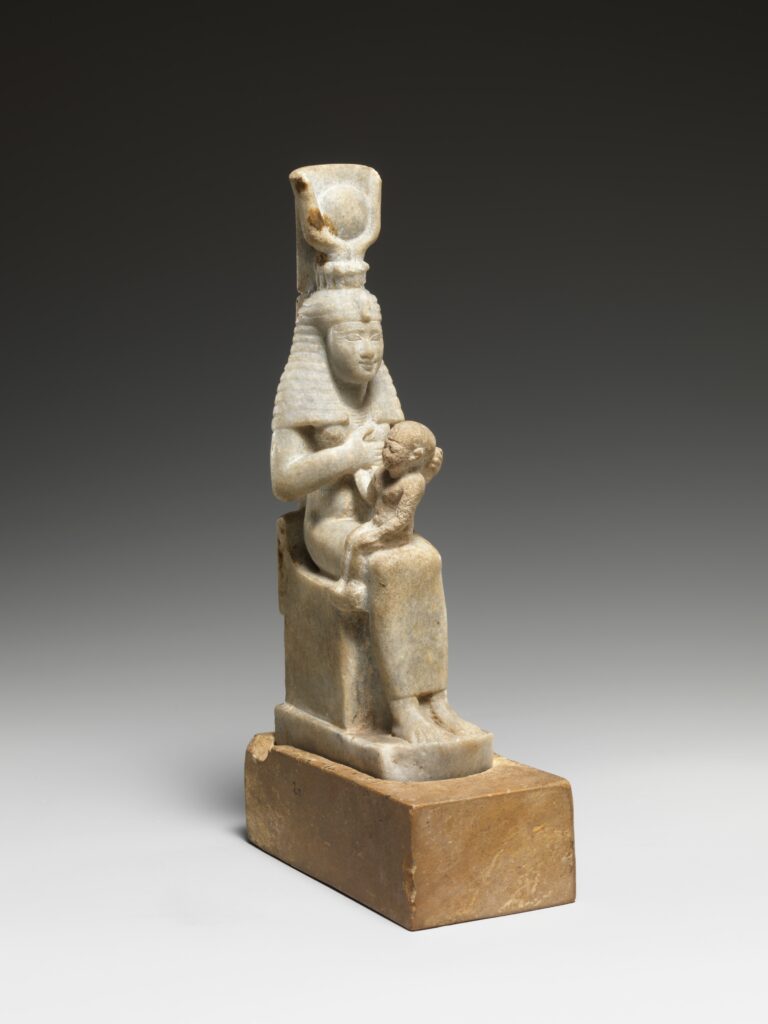
Focusing on three major cults – Isis, Mithras, and Cybele – the series reveals how these religions offered exclusive paths to the divine. Through public celebrations, mystic rituals, initiations and personal devotions, followers formed deep spiritual bonds that shaped their identities.
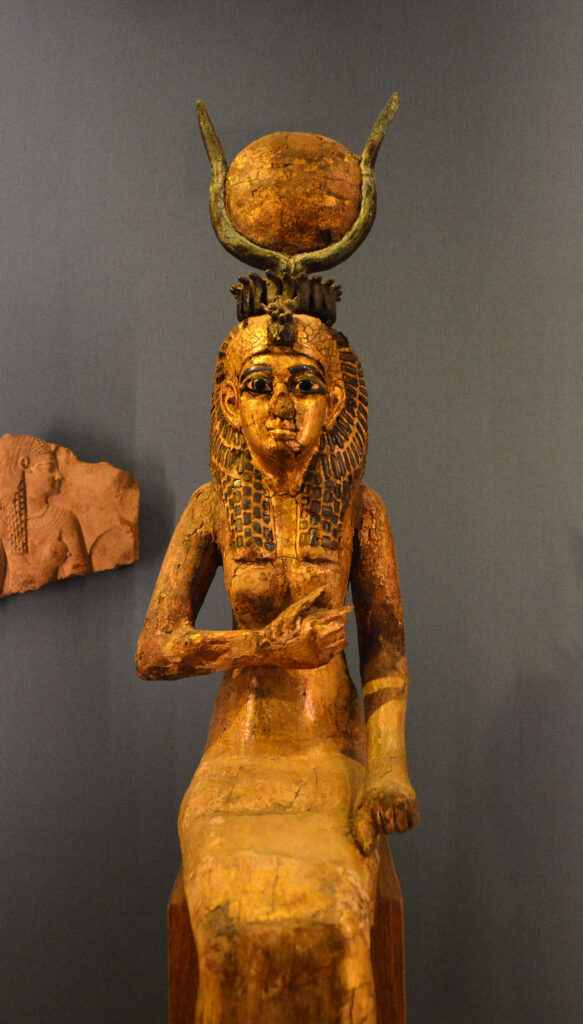
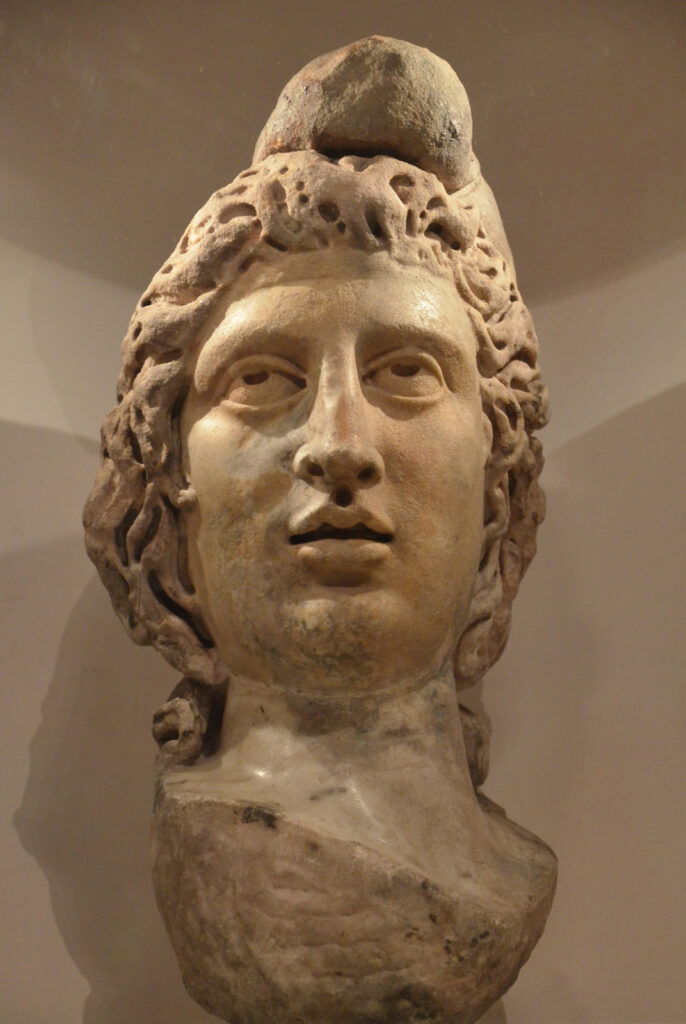
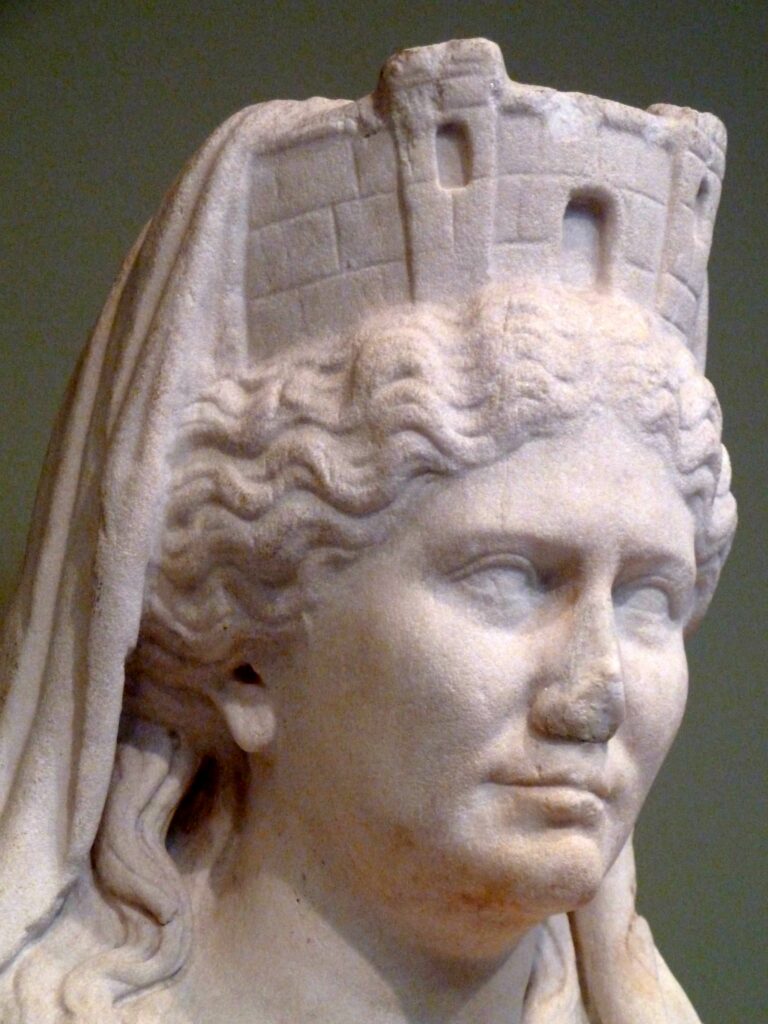
“Cities of Gods” centers the lived experiences of devotees, revealing a world where the divine felt close and real. Long before Christianity took hold, cults like those of Isis, Mithras and Cybele were already offering followers something deeper: a sense of exclusive devotion, powerful personal connection, and the promise of salvation. Drawing on archaeology, ancient texts, and expert voices, each episode invites viewers into a world that was already moving toward more focused, even monotheistic, forms of connecting with divinities.
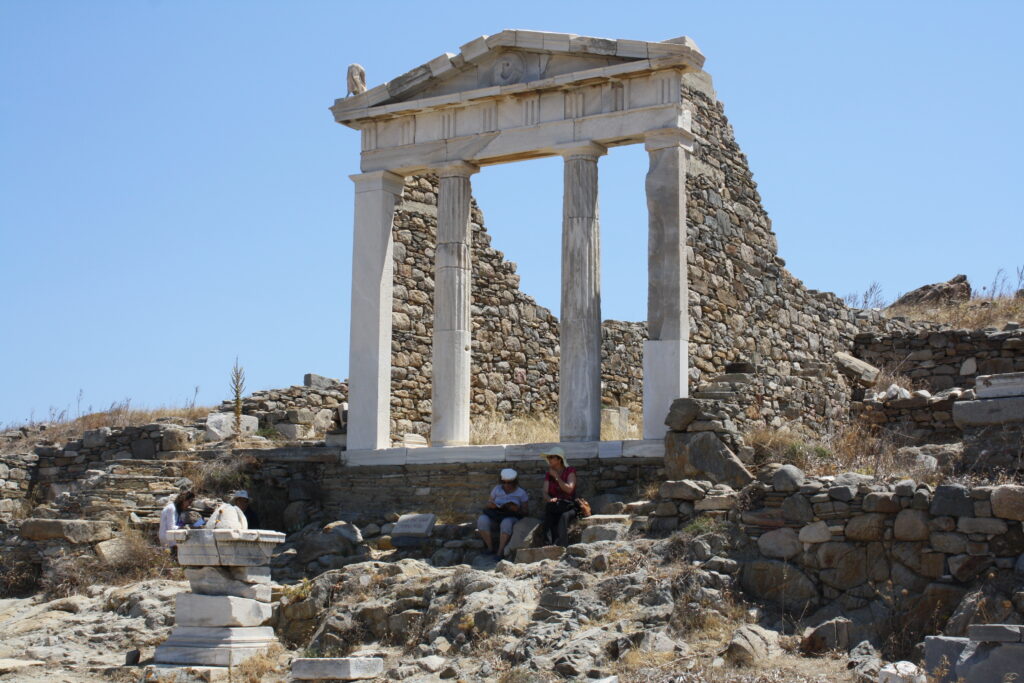
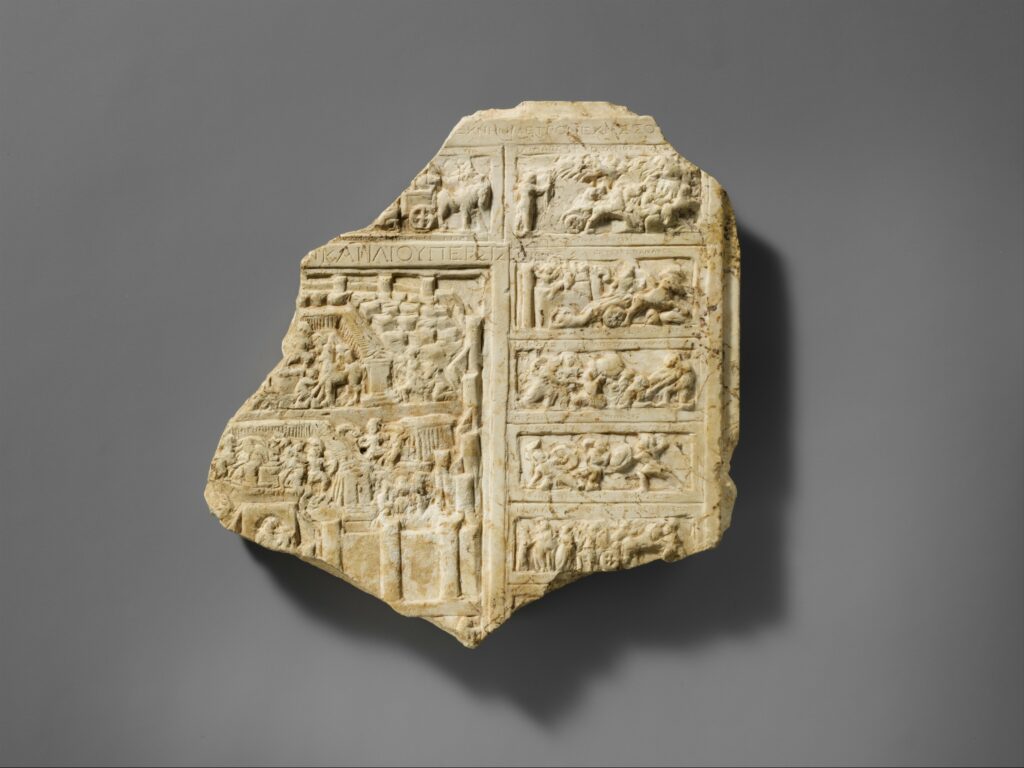
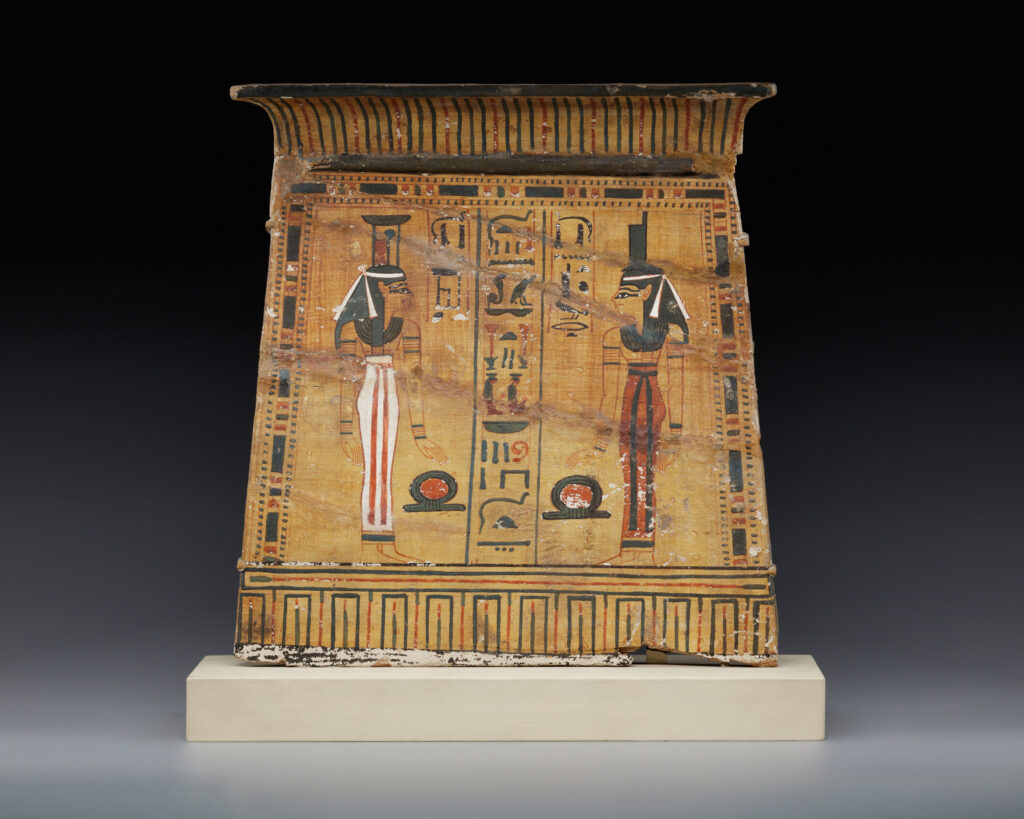
Who is who

Eleni Fassa
Script & Presentation
Assistant Professor of Hellenistic and Roman History at the Department of History and Ethnology, Democritus University of Thrace. Eleni is fluent in English, making her an ideal presenter for international audiences.
Born in Athens, she completed her undergraduate studies in Classical Philology at the University of Athens. She pursued a PhD in History from the Department of History and Archaeology at the same university, and also holds an MA in Ancient Drama and Society from the Department of Classics and Ancient History, University of Exeter.
From 2017 to 2019, she served as a principal researcher in the research project “The Gods of Egypt in Macedonia: Religious experience of alterity and assimilation strategies in Greco-Roman times,” funded by IKY-ESPA, at the National Hellenic Research Foundation.
Her research focuses on the religious and cultural history of the Hellenistic and Greco-Roman East, covering the period from the late 4th century BCE to late antiquity. She is particularly interested in the establishment and development of the cults of Isiac and other “Eastern” deities in the Mediterranean.
Why invest
- Religion remains one of the most powerful forces shaping human identity and conflict today, making this series both timely and deeply relevant.
- The series introduces viewers to fascinating but underexplored aspects of the ancient world, going far beyond the familiar stories of Greek and Roman gods.
- “Cities of Gods” sheds light on cults (Isis, Mithras, Cybele) that offered followers an intimate relationship with a single, powerful deity, anticipating monotheistic ideas well before Christianity prevailed.
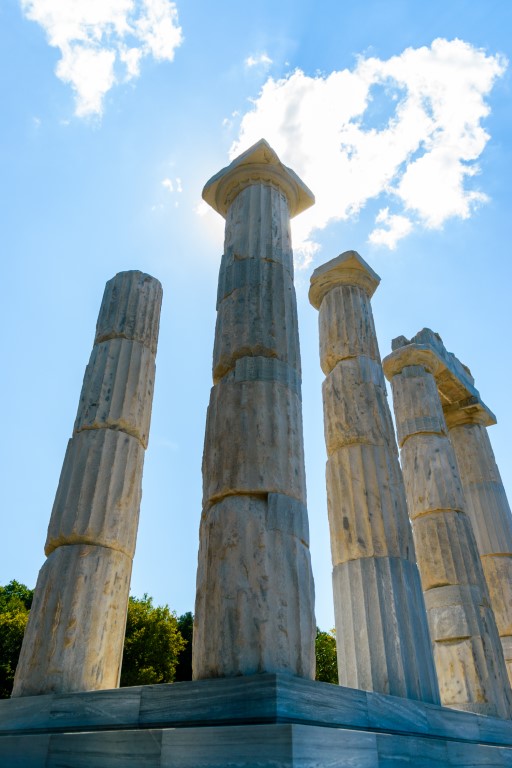
- Filmed on location, the series showcases awe-inspiring temples, sanctuaries, and landscapes that remain hidden gems.
- With its combination of scholarly credibility and cinematic appeal, the series is designed to engage both general audiences and more knowledgeable viewers alike.