Six Cinematic Episodes
The First Experiment (1937)
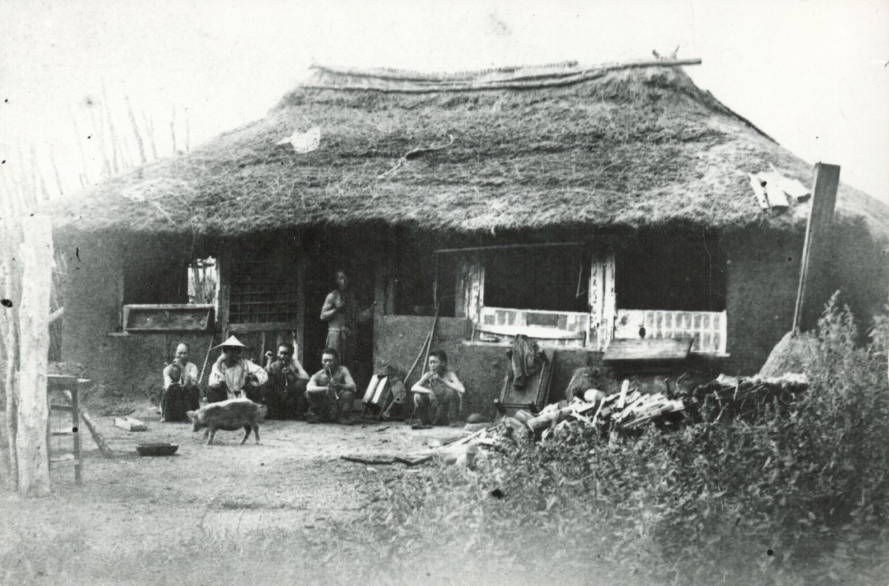
Nation in Focus: Koreans (Koryo-saram)
Synopsis: The blueprint of deportation. 172,000 Koreans are moved from the Far East to Central Asia under false espionage charges.
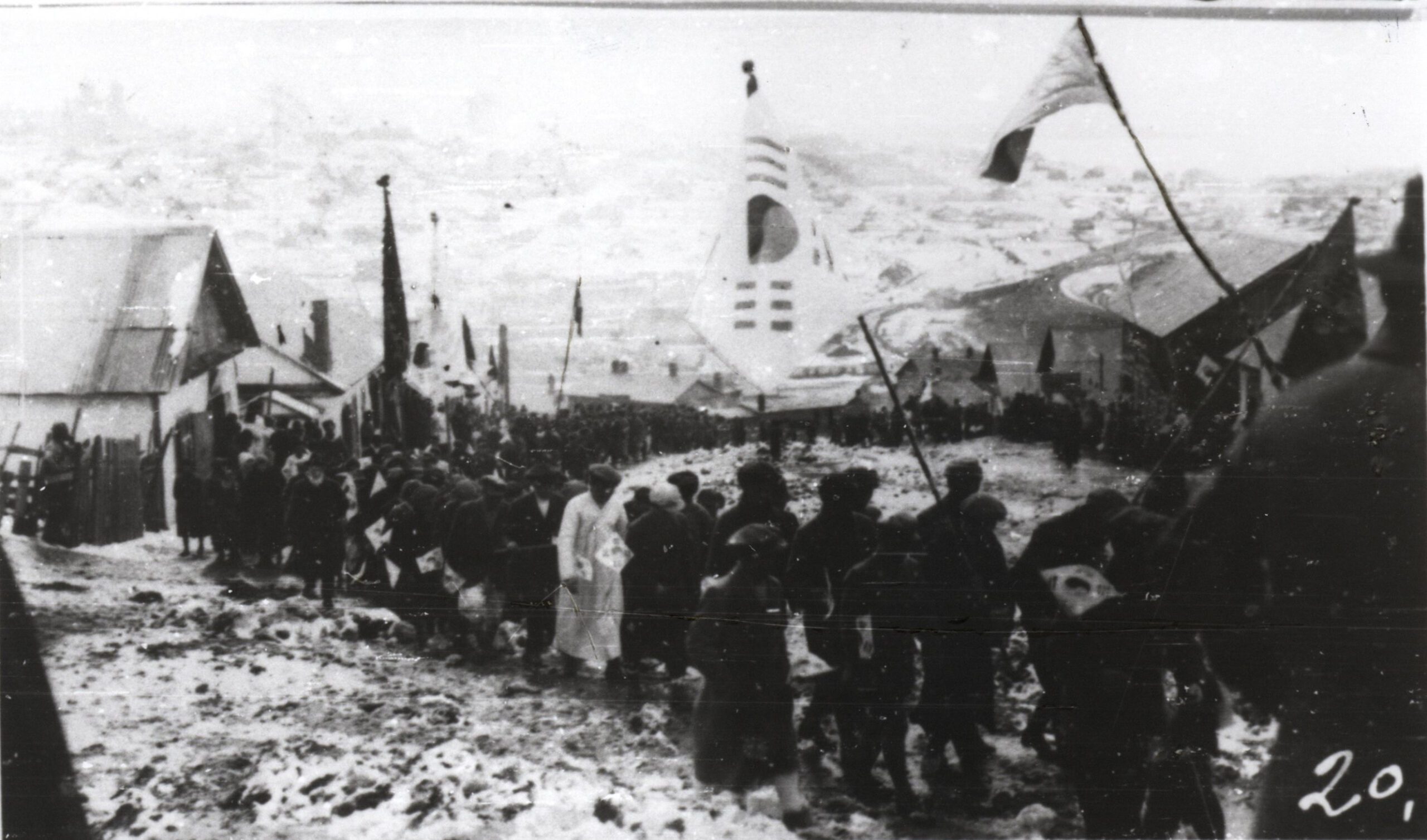
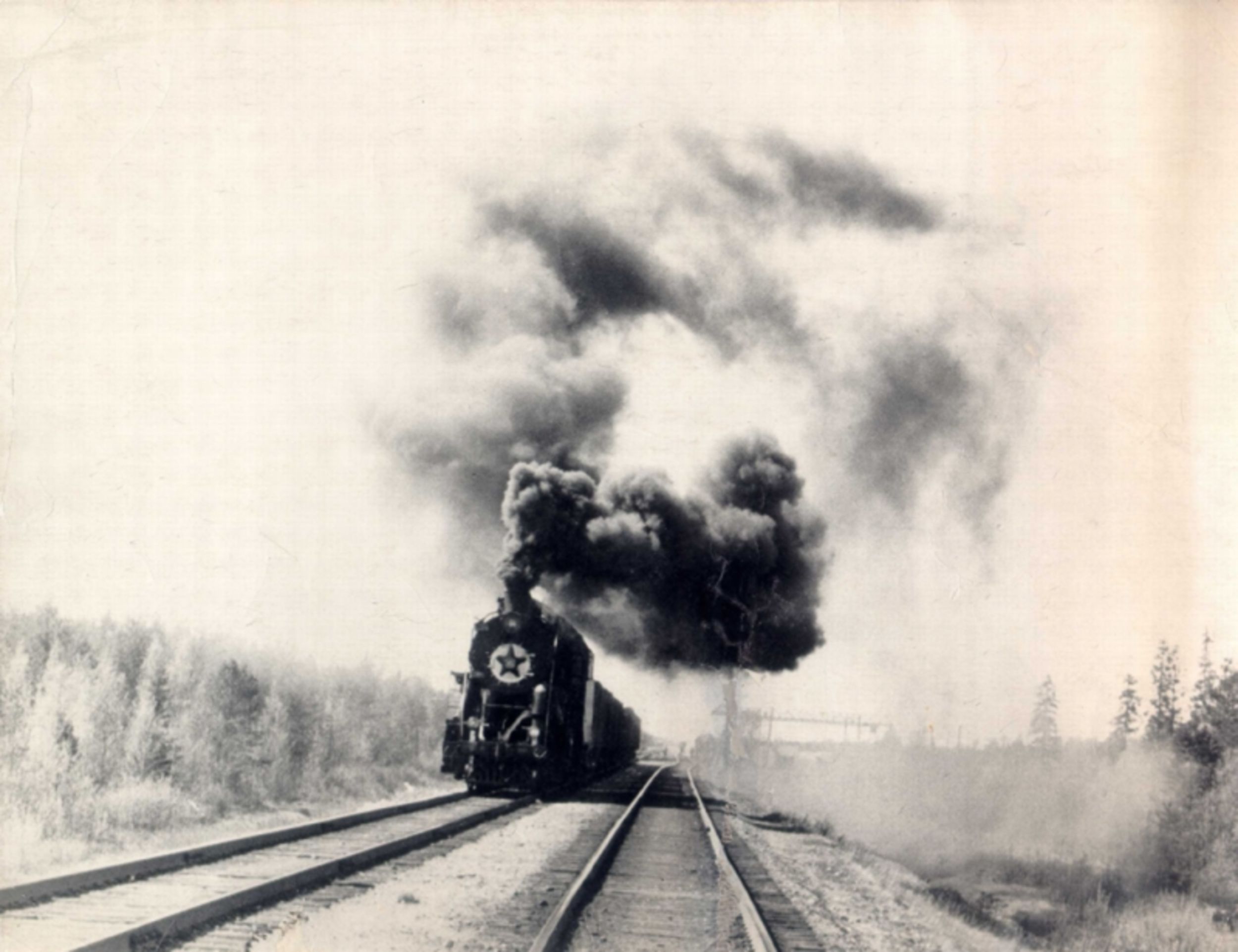
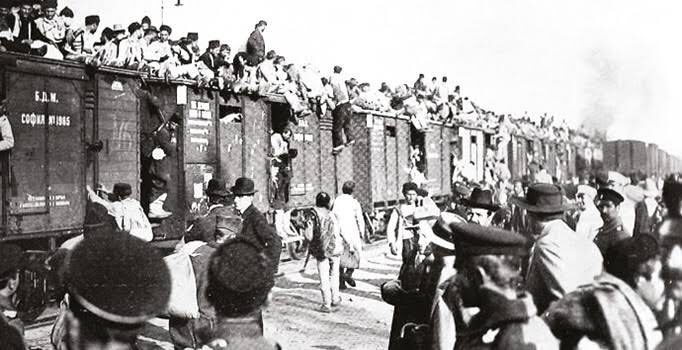
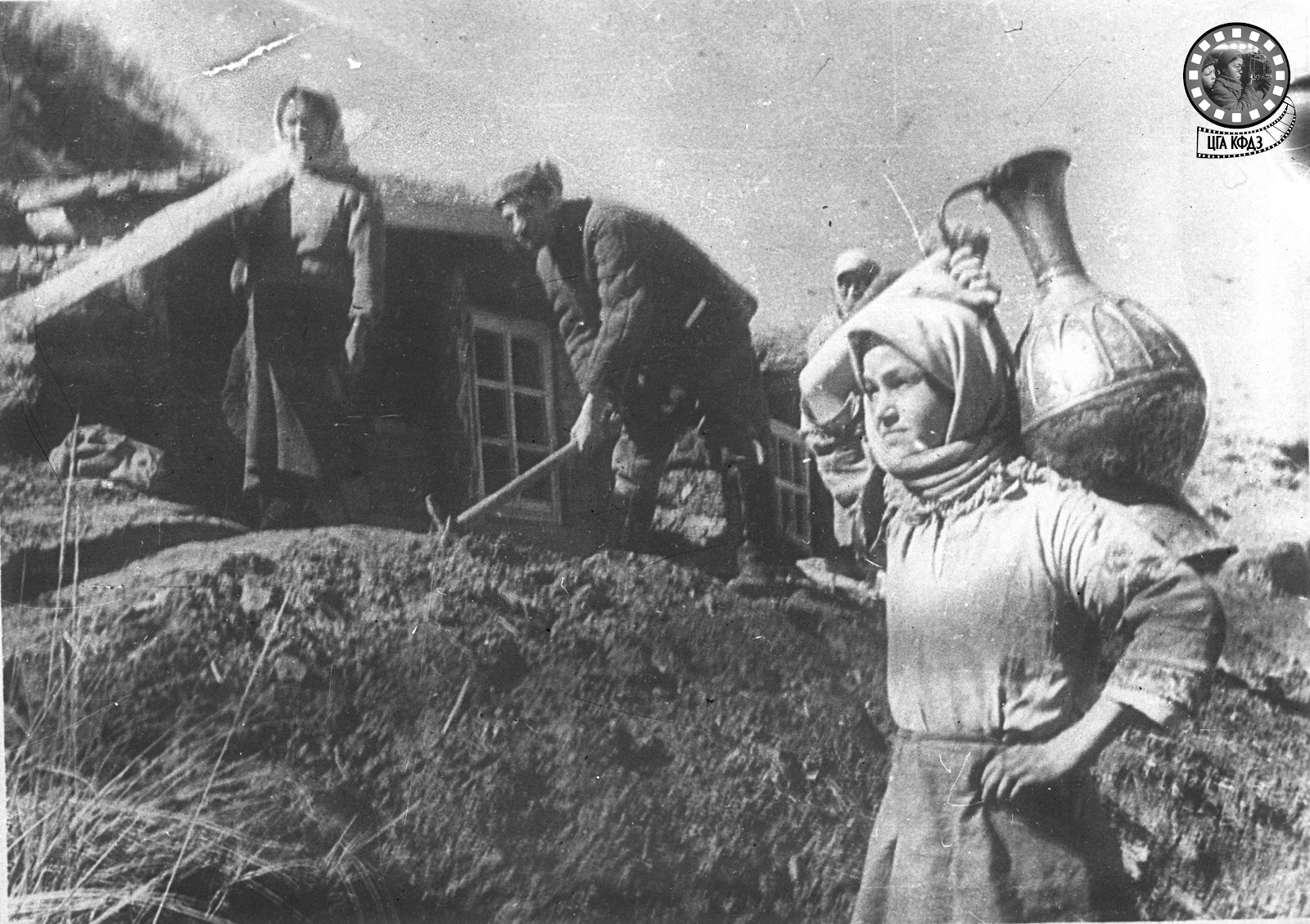
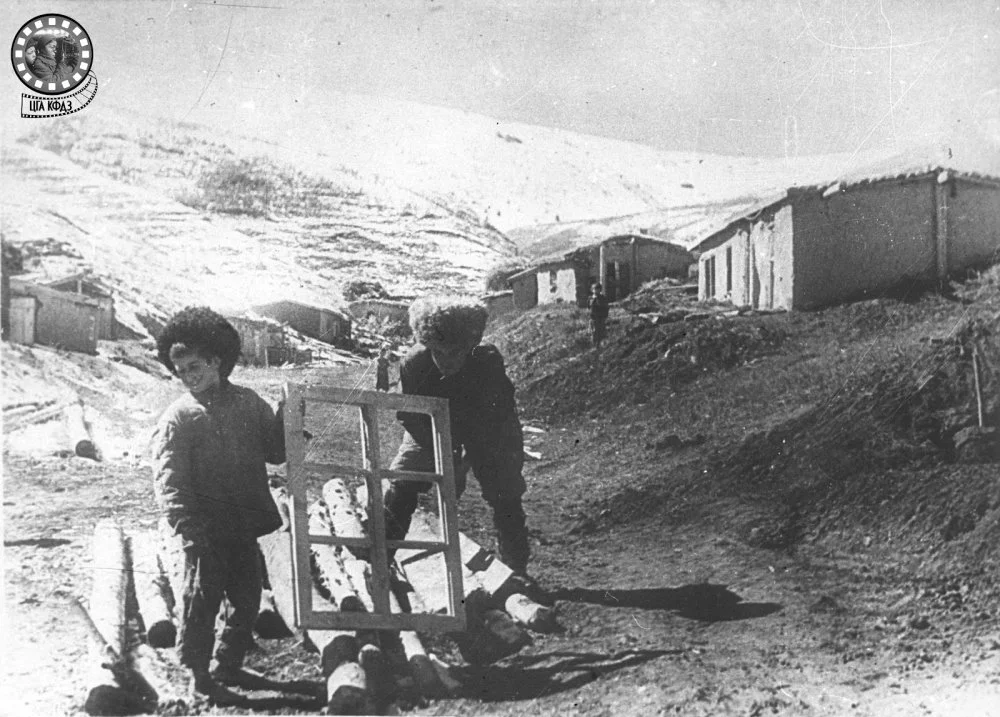
In the fall of 1937, the Soviet government, driven by paranoia over Japanese espionage, initiated the forced relocation of the entire "Koryo-saram" population from the Russian Far East. It was the first time the USSR ethnically targeted an entire nationality for deportation. Families were given just days to pack, then loaded into poorly insulated cargo trains for a grueling 30- to 40-day journey covering over 6,000 kilometers. Dumped in the unpopulated, harsh environments of Kazakhstan and Uzbekistan, the deportees faced starvation and exposure. Between 16,500 and 50,000 Koreans perished as they struggled to adapt, transitioning from a coastal, agricultural life to bare survival on the Central Asian steppe.
The Enemy Within (1941)
Nation in Focus: Volga Germans
Synopsis: Following the Nazi invasion, an entire autonomous republic is erased, displacing half a million ethnic Germans.
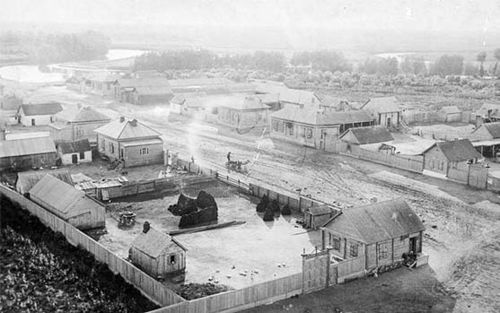
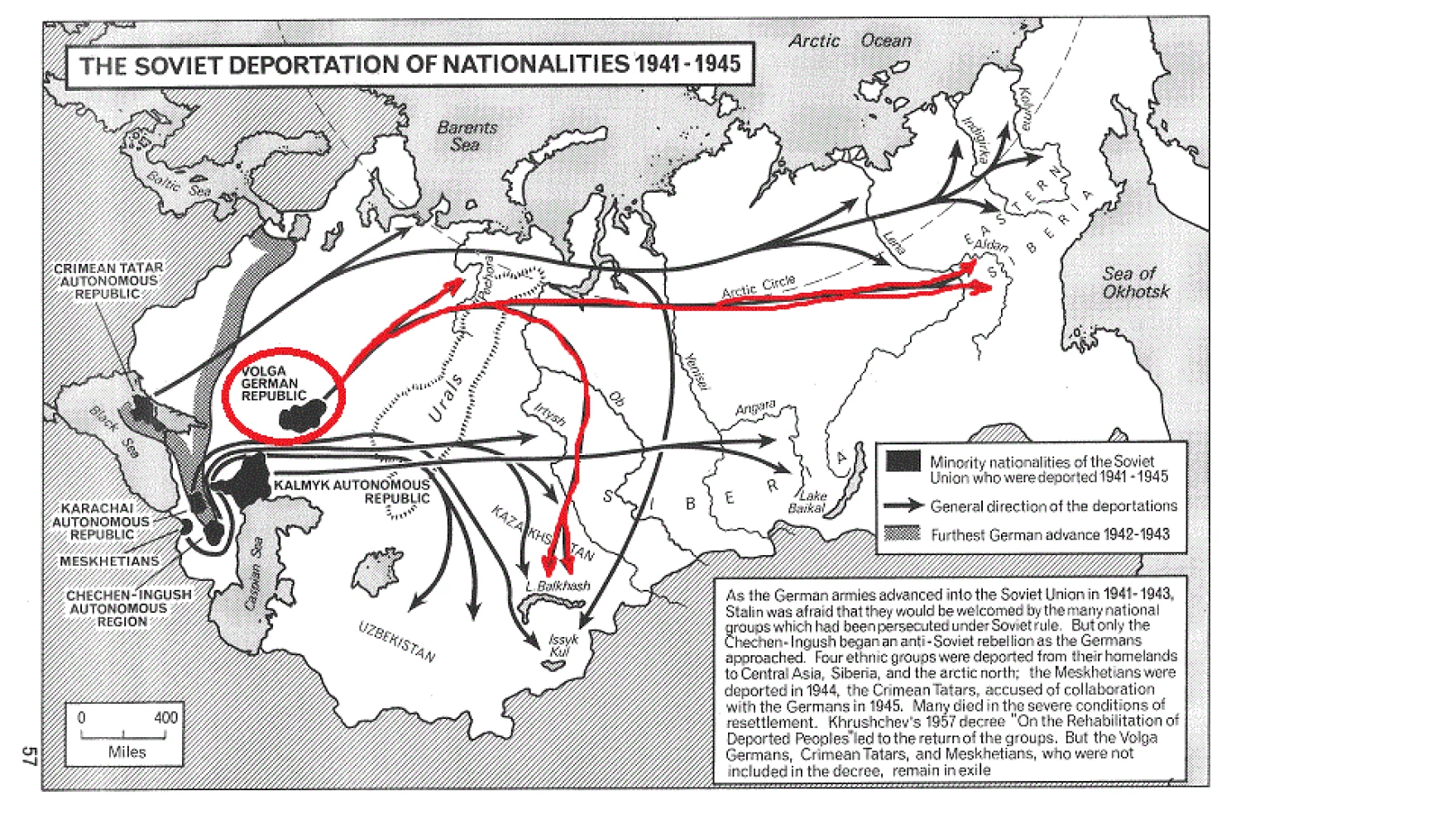
On August 28, 1941, the Presidium of the Supreme Soviet issued a decree officially abolishing the Volga German Autonomous Soviet Socialist Republic. Fearing collaboration with the advancing Wehrmacht, Stalin ordered a "preventive" ethnic cleansing, even though these communities had lived in Russia since the era of Catherine the Great. Over 400,000 Volga Germans were systematically stripped of their homes, property, and civil rights, and crammed into trains destined for the hinterlands of Siberia and Kazakhstan. Dispersed into labor camps (the "Trudarmiya") and special settlements under intense NKVD surveillance, the Volga Germans suffered catastrophic mortality rates, their cultural infrastructure eradicated overnight.

Three Days of Exile (1944)
Nation in Focus: Crimean Tatars
Synopsis: Over 190,000 Tatars are expelled from Crimea in just 72 hours. A geopolitical wound that remains hyper-relevant today.
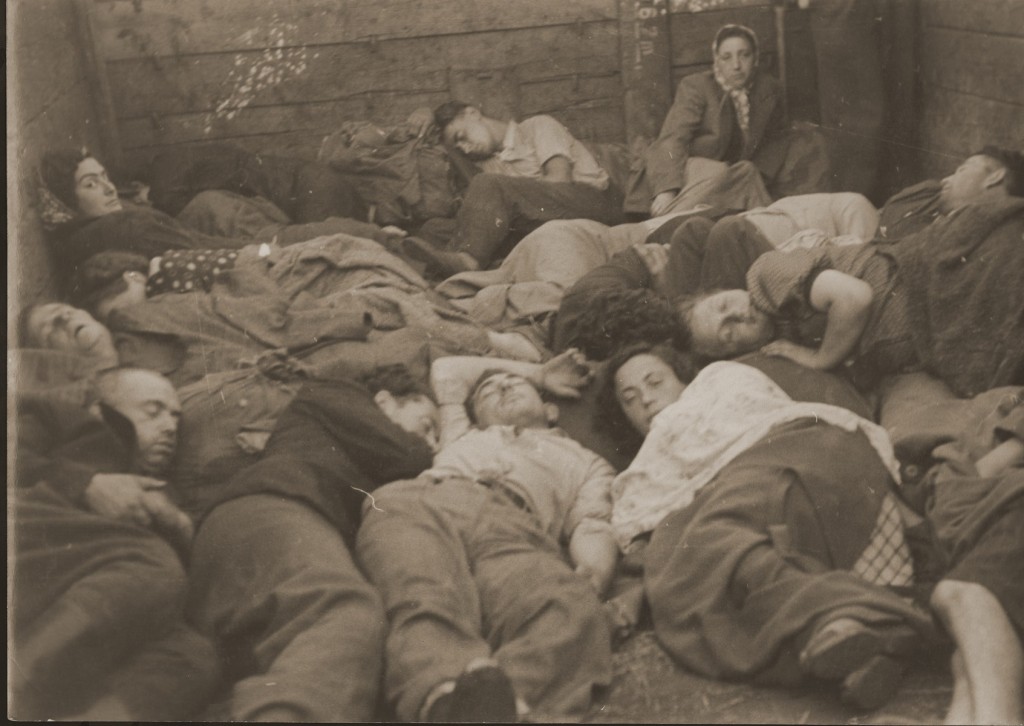
Known collectively as the "Sürgünlik" (exile), this operation was executed with terrifying speed between May 18 and May 20, 1944. NKVD troops rousted Tatar families from their beds, forcing them into cattle cars bound for the Uzbek SSR. The Soviet state falsely branded the entire nation as Nazi collaborators, conveniently ignoring the tens of thousands of Crimean Tatars who were actively serving in the Red Army. The demographic collapse was devastating: thousands died in transit, and tens of thousands more perished from disease and malnutrition in the first years of exile. The state simultaneously launched a severe "detatarization" campaign, erasing Tatar names from the map of Crimea and burning their historical archives.
Operation Lentil (1944)
Nation in Focus: Chechens & Ingush
Synopsis: The most brutal military operation of the era empties the North Caucasus, planting the seeds for modern conflicts.
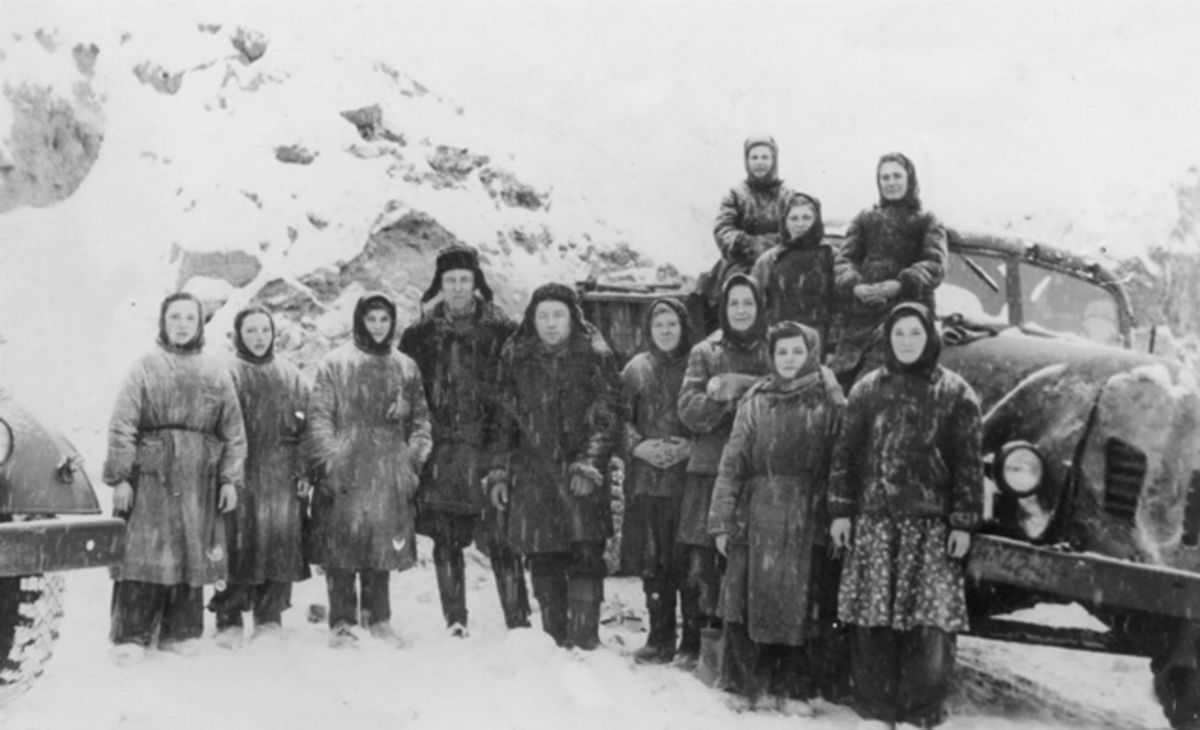
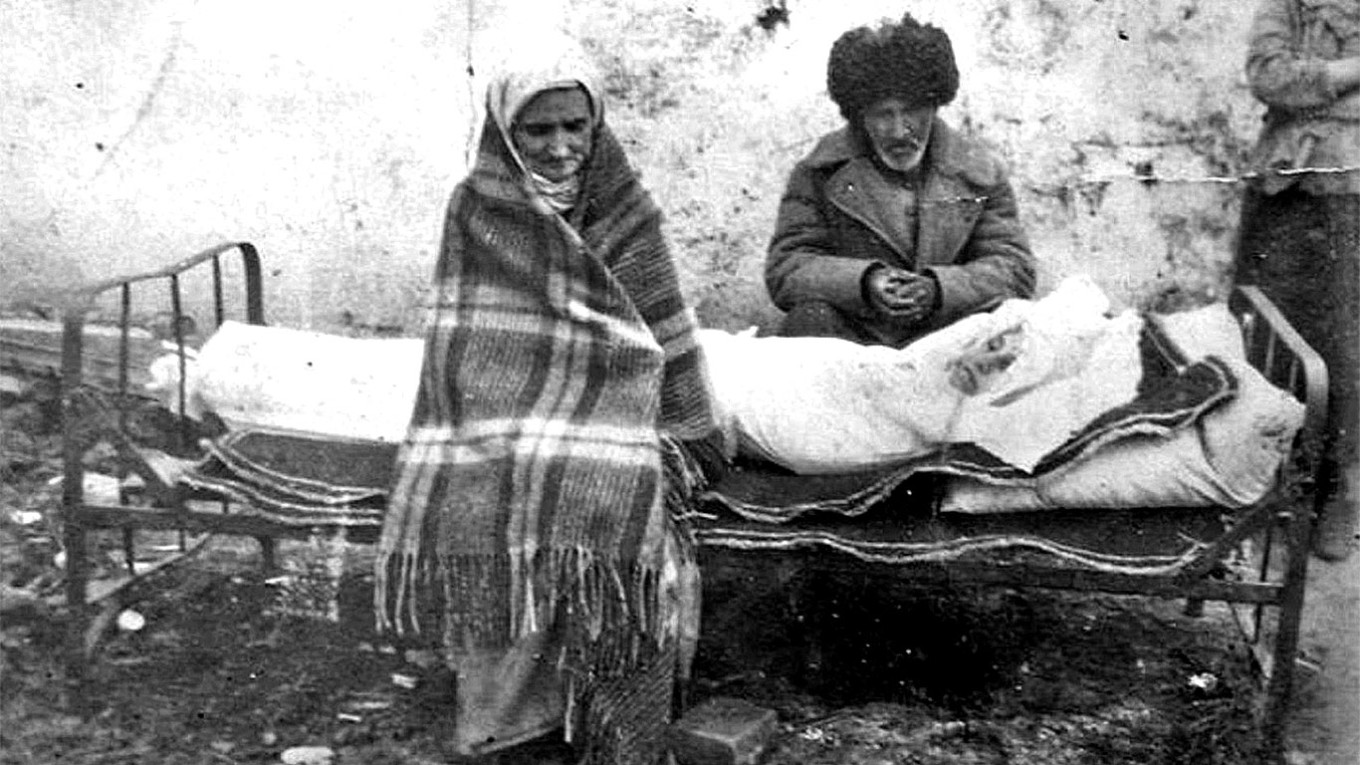
On February 23, 1944 (Red Army Day), over 100,000 NKVD troops mobilized for "Operation Lentil" (Chechevitsa). Almost half a million Vainakh people—Chechens and Ingush—were given merely 15 to 30 minutes to pack their lives before being loaded onto American Lend-Lease Studebaker trucks and unheated freight cars. Transported in the dead of winter, the deportees suffered catastrophic thermal stress and starvation; doors were only occasionally unlocked to toss out the dead. The death toll was staggering, with official records indicating that over a quarter of the deported population (more than 100,000 individuals) died either in transit or during their first few years in the punishing environments of Kazakhstan and Kyrgyzstan.
The Erased Homelands (1937-1949)
Nation in Focus: Greeks of the USSR
Synopsis: The untold "Greek Operation" by the NKVD. The targeting of Greek elites and the mass transport from the Black Sea and Caucasus.
The persecution of the Soviet Greeks occurred in multiple devastating waves. It began with the bloody 1937–1938 "Greek Operation," which systematically targeted the community's intelligentsia, merchants, and cultural leaders, resulting in mass executions and the shuttering of Greek schools. This was followed by subsequent deportations in 1942, 1944, and 1949, uprooting historic Greek populations from Crimea, the Black Sea coast, and the Caucasus. Sent to the desolate reaches of the Kazakh steppes and Uzbekistan, the Greeks were forced into the same rigid system of "special settlements." This episode uncovers a fragmented diaspora desperately preserving its Hellenic identity and Orthodox traditions in a geography of total isolation.
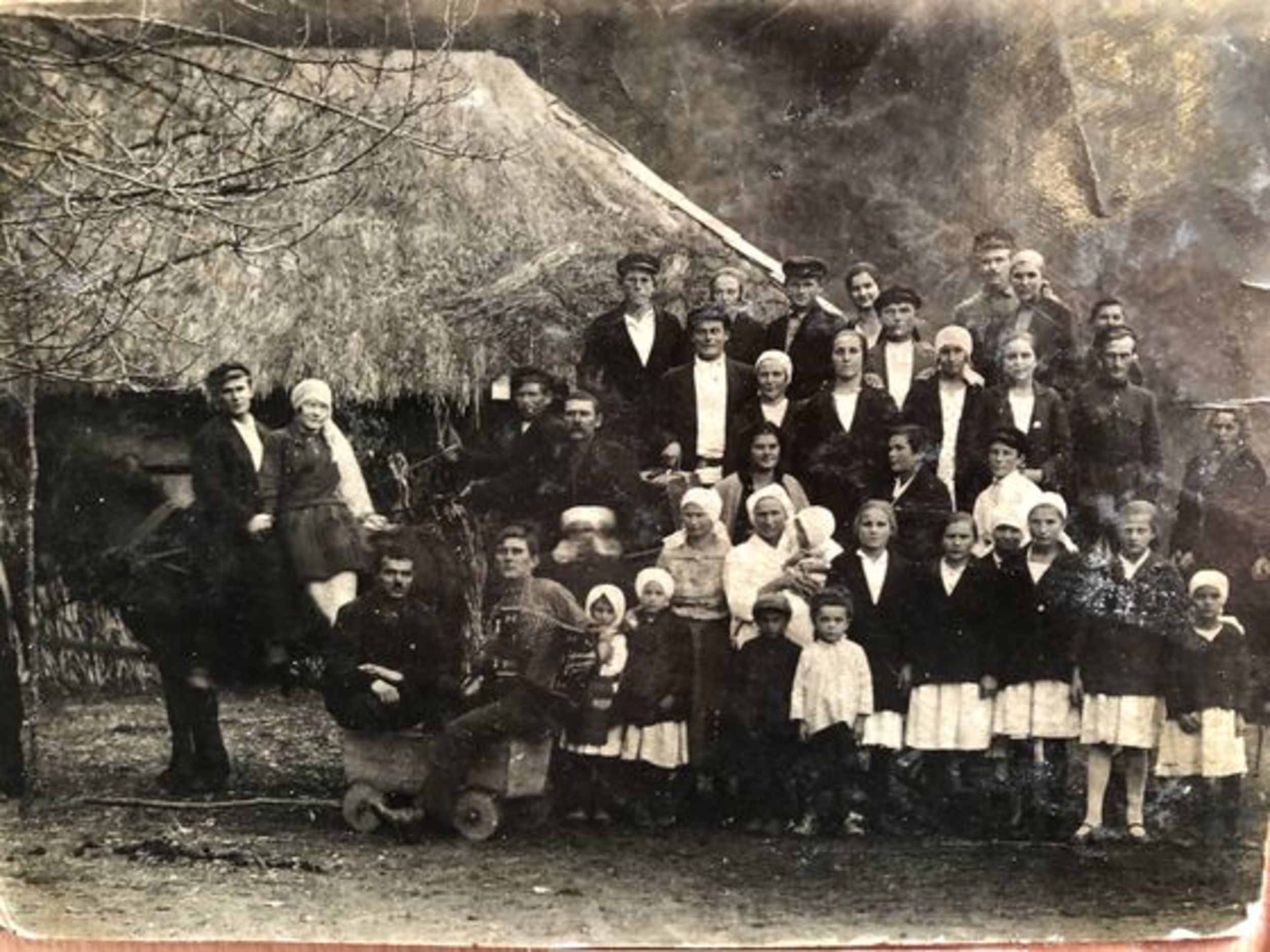
Life on the Steppe
Nation in Focus: Meskhetian Turks
Synopsis: The only group denied the right of return. This finale unites the narrative threads, showing how different exiled nations coexisted.
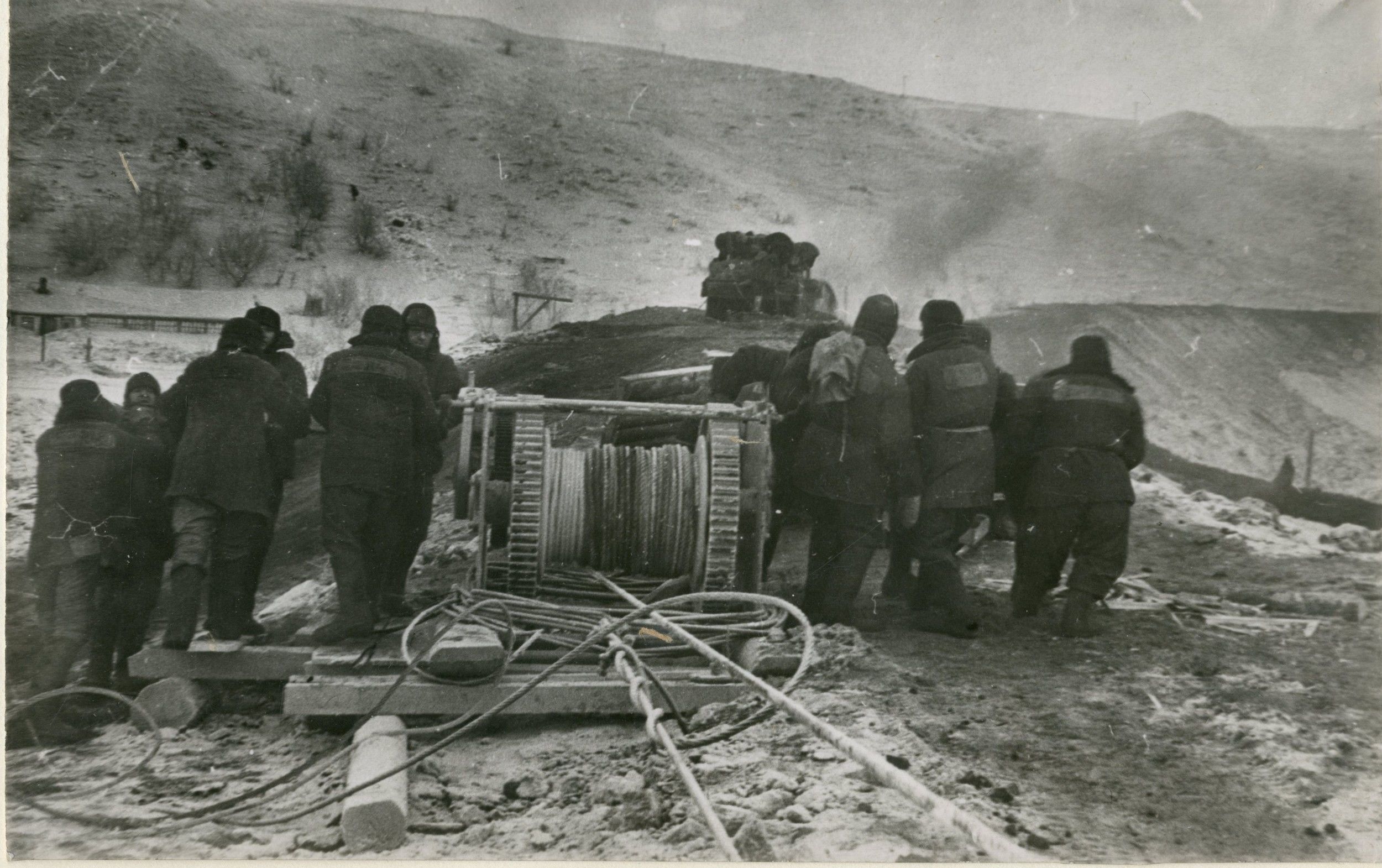
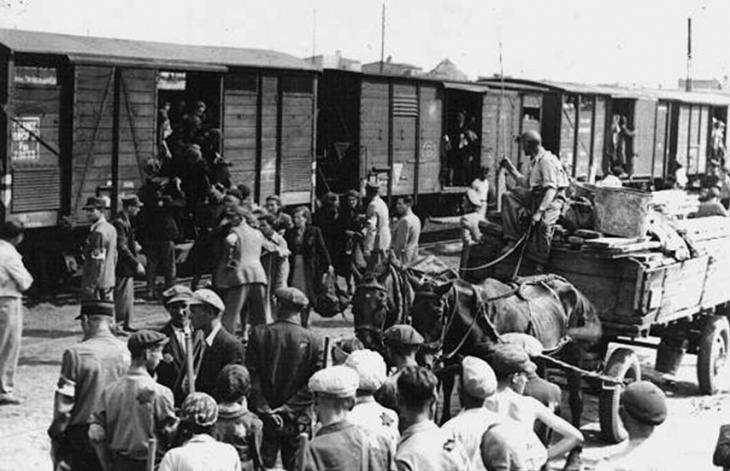
In November 1944, roughly 100,000 Meskhetian Turks were swiftly deported from the borderlands of the Georgian SSR. Unlike other "punished peoples" who were accused of wartime collaboration, the Meskhetians were primarily moved because their presence complicated Stalin's geopolitical ambitions involving Turkey and the Black Sea straits. The tragedy of the Meskhetian Turks is defined by their permanent exile; even after Khrushchev's "Secret Speech" and the formal rehabilitation of other deported nations, they were legally barred from returning to their ancestral homeland in the Caucasus. This episode serves as the series' somber conclusion, exploring inter-ethnic solidarity in exile and the eternal trauma of a diaspora that remains displaced to this day.